


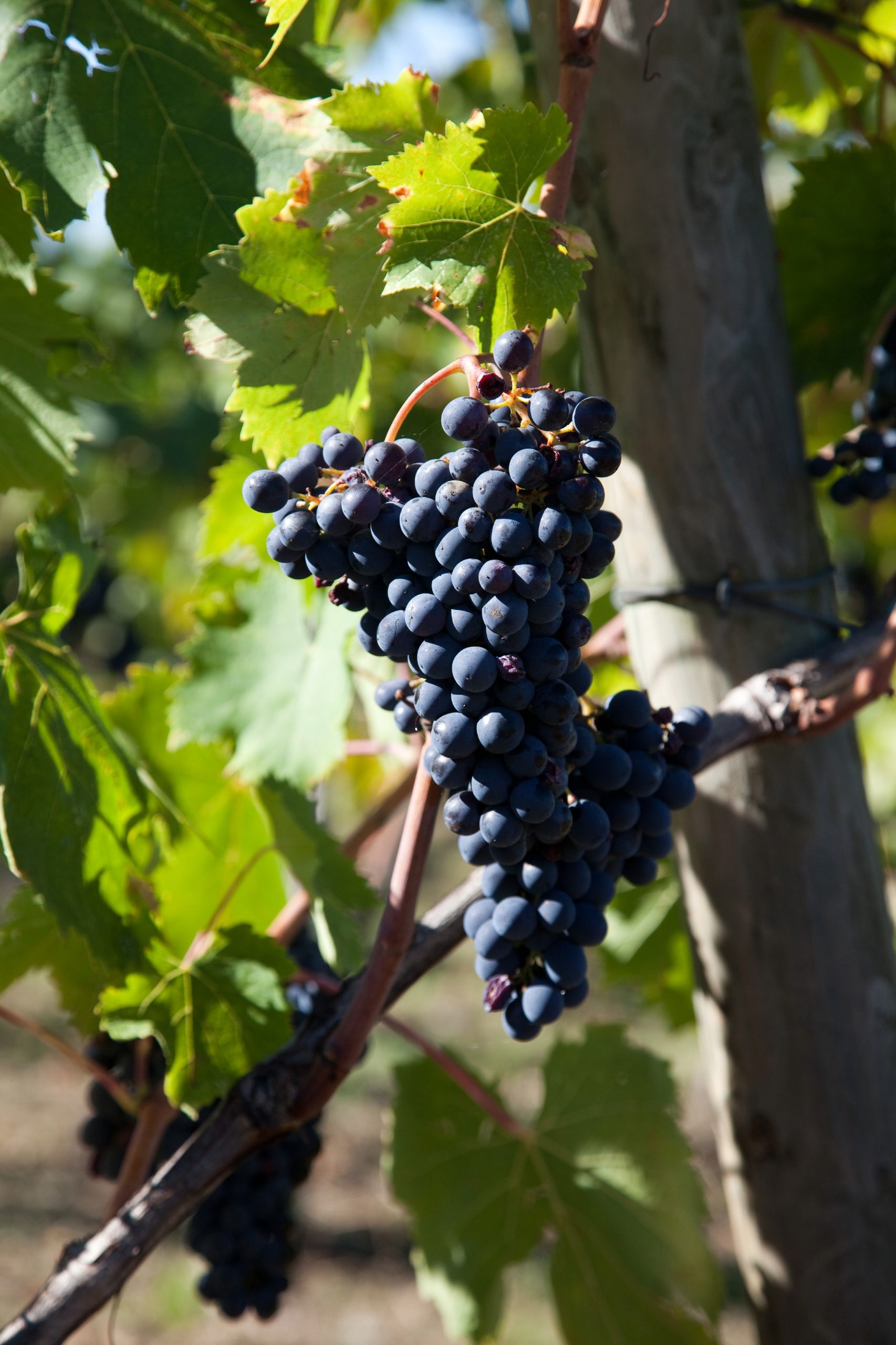
How to understand the three categories of Chianti Classico and choose what to taste
When looking at different bottles of Chianti Classico, you will often come across three terms:
Annata.
Riserva.
Gran Selezione.
At first glance, they may seem like a simple hierarchy based on price or quality.
In reality, the differences are much more interesting.
All three belong to the same denomination, share a strong connection with Sangiovese and the territory of Chianti Classico, but follow different requirements and can offer different interpretations of the same wine region.
Understanding these differences is one of the best ways to approach Chianti Classico with greater awareness.
What are the three categories of Chianti Classico?
Chianti Classico can be released in three main categories:
– Chianti Classico Annata
– Chianti Classico Riserva
– Chianti Classico Gran Selezione
All three belong to the Chianti Classico denomination.
This means that we are not comparing three different wine appellations.
Instead, we are looking at three regulated expressions within the same historic wine territory.
And that is precisely what makes comparing them so interesting.
What is Chianti Classico Annata?
Chianti Classico Annata is an excellent starting point for understanding the identity of the denomination.
Sangiovese plays a central role, and the wine must follow the production regulations established for Chianti Classico.
Annata can offer a particularly direct expression of some of the characteristics often associated with Sangiovese from this territory:
freshness, acidity, fruit, structure and a natural affinity with food.
Of course, there is no single style of Chianti Classico Annata.
The result changes depending on the producer, vintage, vineyards, altitude, soils and decisions made in the cellar.
And this is where terroir becomes essential.
What is Chianti Classico Riserva?
Chianti Classico Riserva requires a longer ageing period than Annata.
Time can profoundly change the way a wine presents itself.
Fruit can evolve.
Aromas can become more complex.
Tannins can change.
The structure of the wine can gradually become more integrated.
But it is important to avoid one oversimplification:
Riserva does not simply mean “Annata left in the cellar for longer.”
A producer may make specific choices from the vineyard through to vinification and ageing according to the type of wine they intend to create.
This is why comparing an Annata and a Riserva from the same producer can be such an interesting tasting exercise.
What is Chianti Classico Gran Selezione?
Gran Selezione sits at the top of the quality pyramid established by the Chianti Classico denomination.
It is subject to specific requirements and requires a longer ageing period.
But what makes Gran Selezione particularly interesting is not simply time.
The category places a strong emphasis on the relationship between the wine and the origin of its grapes, reinforcing the concept of territorial identity.
In other words, when talking about Gran Selezione, the question is not simply:
“How long has this wine been aged?”
It also becomes:
“What place is this wine trying to express?”
Is ageing the only difference between Annata, Riserva and Gran Selezione?
No.
And this is probably one of the most important things to understand.
Ageing requirements are one of the differences between the categories, but time alone does not define the identity of a wine.
Two Chianti Classico wines belonging to the same category can taste very different.
Why?
Because many factors can change:
the vineyard,
altitude,
soil,
exposure,
vintage,
vineyard management,
harvest timing,
vinification,
ageing,
and, of course, the producer’s philosophy.
The categories help us understand the wine.
They do not replace the territory.
Which is better: Annata, Riserva or Gran Selezione?
It is a natural question.
But it may not be the most interesting one.
Instead of asking which is “better” in absolute terms, it can be much more useful to ask:
Which one do I want to drink, and on what occasion?
A Chianti Classico Annata can offer energy, freshness and immediacy.
A Riserva can show greater evolution and complexity.
A Gran Selezione can offer yet another interpretation of the territory and the producer’s vision.
They do not necessarily need to compete with one another.
They can represent three different perspectives on Chianti Classico.
Why taste them side by side?
Tasting Annata, Riserva and Gran Selezione side by side can transform an ordinary wine tasting into a genuine exercise in understanding wine.
Instead of focusing only on which bottle you prefer, pay attention to the differences.
How does the colour change?
How does the aromatic profile change?
What happens to the structure?
How do you perceive the tannins?
How long does the wine remain on the palate?
Which one seems more immediate?
Which one needs more time in the glass?
You do not need to be a sommelier.
You simply need to pay attention.
The role of Sangiovese
To really understand these differences, we need to return to the protagonist of Chianti Classico:
Sangiovese.
It is a grape variety capable of showing different characteristics depending on where it is grown and the decisions made both in the vineyard and in the cellar.
This is why Annata, Riserva and Gran Selezione should not be considered simply as three steps on a ladder.
They are also three opportunities to explore how Sangiovese can be interpreted.
And this is one of the reasons Chianti Classico is such a fascinating wine region to discover through its wines.
What role does terroir play?
A huge one.
When talking about Chianti Classico, wine cannot be separated from its territory.
Altitude.
Soils.
Exposure.
Climate.
Biodiversity.
All these elements contribute to the conditions in which the grapes ripen.
This is why visiting a winery can completely change the way you understand what is in your glass.
Once you have seen the vineyard where the wine begins, words such as terroir, altitude and Sangiovese stop being abstract concepts.
Annata, Riserva and Gran Selezione at Fattoria di Montemaggio
At Fattoria di Montemaggio, in the territory of Radda in Chianti, understanding the different expressions of Chianti Classico begins with the place where the wine is produced.
Montemaggio is an organic estate located at high altitude, in a landscape characterised by vineyards, olive groves and woodland.
Sangiovese plays a central role in the estate’s vineyards.
Here, wine can be understood as the result of the interaction between grape variety, altitude, soils, organic viticulture, vintage and decisions made in the cellar.
It is precisely this context that makes comparing different expressions of Chianti Classico so interesting.
How to taste different types of Chianti Classico
When tasting several wines, try not to immediately decide which one is your favourite.
Start with comparison instead.
Observe the colour.
Bring the glass to your nose without rushing.
Taste.
Then return to the wine a few minutes later.
Some wines may reveal themselves immediately.
Others need time.
And most importantly, do not worry if your perception is different from someone else’s.
Wine tasting is not an exam.
It is simply a way of paying closer attention to what you are drinking.
Does Annata mean a simple wine?
No.
This is another assumption worth avoiding.
The fact that Annata represents the first category within the denomination does not automatically mean that it is a simple or less interesting wine.
A great Chianti Classico Annata can express the territory, Sangiovese and the producer’s style with remarkable precision.
In the same way, a higher category should not be judged only by its price or by how long it has been aged.
Wine is much more complex than a hierarchy written on a label.
How do you choose which Chianti Classico to drink?
It depends on what you are looking for.
For a first introduction to the territory, Chianti Classico Annata can be an excellent starting point.
If you want to explore evolution and greater complexity, you can move on to Riserva.
If you want to investigate the relationship between selection, origin and interpretation of territory even further, Gran Selezione opens another level of understanding.
But the most interesting way to truly understand the differences remains the same:
taste them.
Even better if you can do so in the territory where they are produced.
Why a wine tasting in Chianti Classico helps you understand the difference
Reading the production regulations can explain the rules.
A wine tasting can show you what those rules mean in the glass.
And this is where wine tourism becomes something more than simply another activity during a holiday in Tuscany.
Walking through the vineyards.
Entering the cellar.
Understanding Sangiovese.
Discovering the territory.
And finally comparing the wines.
Together, these elements create a much more complete understanding of Chianti Classico.
Discover Chianti Classico at Fattoria di Montemaggio
At Fattoria di Montemaggio, a wine tasting becomes an opportunity to connect what is in the glass with the landscape it comes from.
Organic vineyards, altitude, Sangiovese, terroir and work in the cellar become parts of the same story.
Because understanding the difference between Chianti Classico Annata, Riserva and Gran Selezione is not simply about learning three definitions.
It is about beginning to understand just how many different expressions a single territory can reveal through wine.
✍️ ABOUT THE AUTHOR
Francesco Garuglieri is a Wine Communicator at Fattoria di Montemaggio, an award-winning organic winery in the heart of Chianti Classico, Tuscany.
Specialising in wine communication and hospitality, his work focuses on making wine accessible by connecting terroir, organic viticulture, biodiversity and the experience of visiting Tuscany. His articles explore Chianti Classico, wine tourism and the culture behind authentic Tuscan wine experiences.
Leave a Reply