


Medieval streets, vineyards, Tuscan landscapes and wine tastings: discover what to see in Radda in Chianti, how to plan your visit and why this beautiful corner of Tuscany is worth exploring all year round.
When planning a trip to Tuscany, Florence, Siena and San Gimignano are often among the first destinations that come to mind.
But between Florence and Siena lies a region that deserves to be explored at a slower pace: Chianti Classico.
Here, surrounded by rolling hills, vineyards, olive groves and historic villages, you will find Radda in Chianti, one of the most charming destinations in the region.
Radda is the perfect place for travellers who want to experience a different side of Tuscany, away from the crowds of its larger cities.
It is a place of rural landscapes, agricultural traditions, medieval streets and, of course, exceptional wine.
But what are the best things to do in Radda in Chianti? How much time should you spend here? Which experiences are worth including in your itinerary? And is Radda worth visiting in autumn or winter?
In this guide, we explore why Radda in Chianti deserves a place on your Tuscan itinerary and how to plan a memorable day combining history, local food and wine tasting.
Where Is Radda in Chianti?
Radda in Chianti is located in the province of Siena, in the heart of the Chianti Classico wine region.
The village sits in a hilly landscape characterised by vineyards, woodland, olive groves and small rural settlements.
Its location makes it an excellent starting point for exploring Chianti Classico and its different wine-producing areas.
The surrounding countryside is closely connected to viticulture, an agricultural activity that has shaped the region’s landscape over centuries.
Visiting Radda therefore means discovering not only a historic village but also one of Italy’s most celebrated wine landscapes.
1. Explore the Historic Centre of Radda in Chianti
The best way to begin your visit is by exploring the historic centre.
Radda retains a distinctive medieval character, visible in its streets, stone buildings and traditional village layout.
Walking through the village at a relaxed pace allows you to appreciate its atmosphere and architectural details.
One of its most recognisable landmarks is the Palazzo del Podestà, a historic building that reflects Radda’s former administrative importance.
Another important landmark is the Church of San Niccolò, located in the centre of the village.
Radda’s historic centre is relatively compact, making it pleasant to explore on foot.
There is no need to plan every minute of your visit.
A leisurely walk, a coffee break and some time to admire the village’s streets are already an excellent introduction to Radda.
2. Discover the History of the Chianti League
Radda in Chianti holds an important place in the history of the region.
During the Middle Ages, it was one of the principal centres of the Lega del Chianti, or Chianti League, a political and military organisation associated with the Republic of Florence.
The League included the three districts of Radda, Gaiole and Castellina.
Radda played a central administrative role within this organisation.
This history helps explain why the villages of Chianti Classico are so closely connected to the medieval rivalry between Florence and Siena.
The region was not simply an agricultural production area.
For centuries, it was also a border territory shaped by political, commercial and military interests.
Understanding this historical background adds another dimension to a visit to Radda.
3. Enjoy the Beautiful Landscapes of Chianti Classico
One of the main reasons to visit Radda is the surrounding landscape.
The hills offer beautiful views of vineyards, olive groves, woodland and winding country roads.
Unlike destinations known primarily for major monuments, here the landscape itself is often the main attraction.
And the scenery changes throughout the year.
In spring, vegetation begins to grow again and the vineyards enter a new growing season.
In summer, green vineyards dominate the hillsides.
In autumn, the vine leaves turn shades of yellow, orange and red.
In winter, the countryside becomes quieter, revealing a different, more essential landscape.
For this reason, Radda in Chianti is worth visiting in every season.
Each period offers a different perspective on the Tuscan countryside.
4. Visit a Winery and Taste Chianti Classico
A visit to Radda in Chianti would not be complete without discovering the wine that has made the region famous.
Chianti Classico DOCG is one of Tuscany’s most important wine designations.
Its principal grape variety is Sangiovese, which must account for at least 80% of the blend in standard Chianti Classico and Riserva wines.
The Radda area is particularly interesting from a viticultural perspective because of its hillside vineyards, relatively high elevations and varied geological characteristics.
These factors contribute to the different expressions of Sangiovese found throughout Chianti Classico.
A guided wine tasting offers the opportunity to understand how the territory influences wine production.
During the experience, you may explore topics such as:
- The characteristics of Sangiovese.
- The differences between Chianti Classico, Riserva and Gran Selezione.
- The influence of altitude on viticulture.
- The importance of vineyard soils.
- The main stages of winemaking.
- The relationship between wine production and the surrounding landscape.
For visitors to Tuscany, a winery experience is therefore much more than simply tasting wine.
It is a way to discover an essential part of the region’s culture.
5. Experience Organic Wine Tasting at Fattoria di Montemaggio
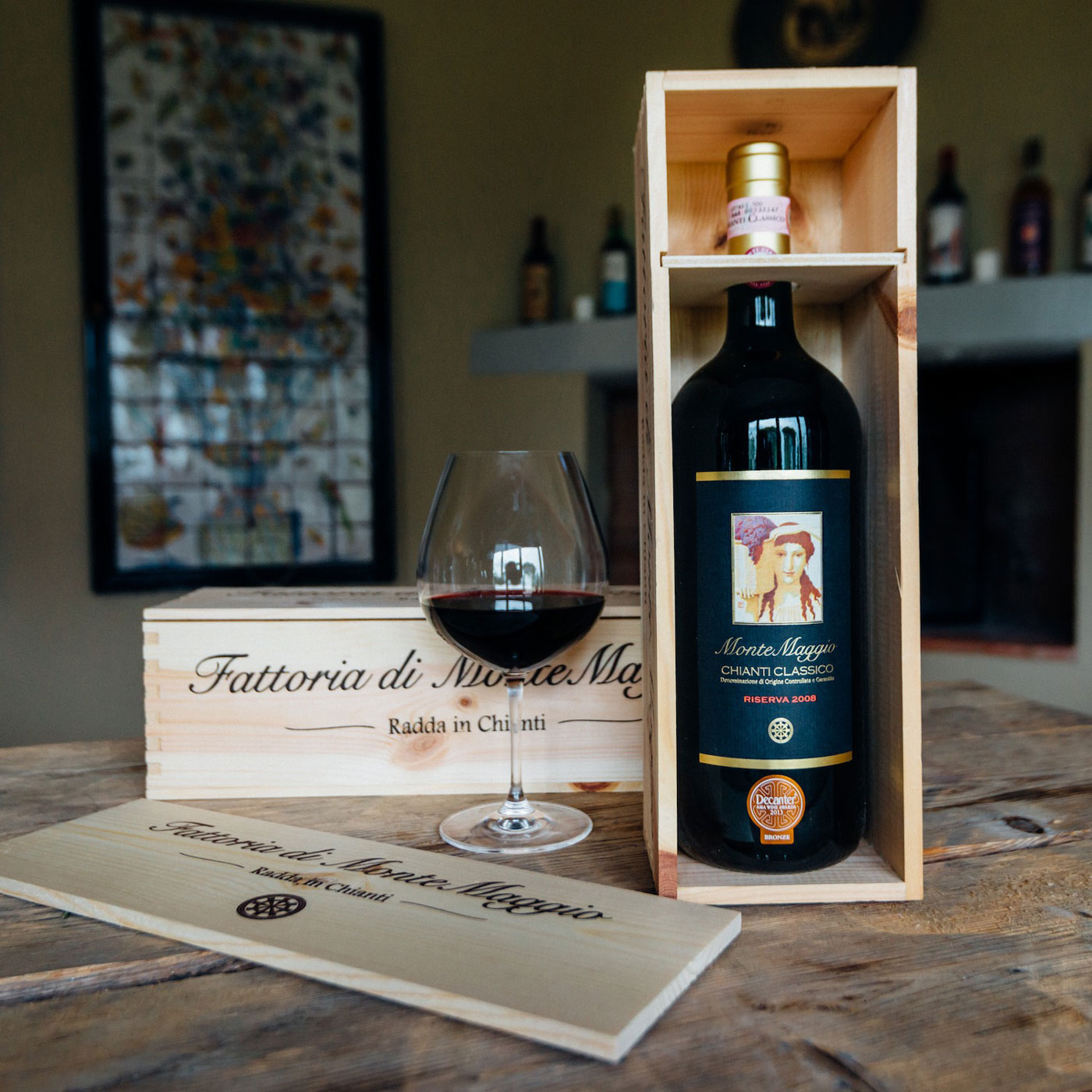
One of the experiences worth considering during a visit to Radda in Chianti is a wine tasting at Fattoria di Montemaggio.
Located in the Chianti Classico region, Montemaggio is an organic winery surrounded by vineyards, olive groves and woodland.
Parts of the estate reach approximately 600 metres above sea level.
Sangiovese plays a central role in the winery’s production, while organic viticulture is one of the defining elements of the estate’s philosophy.
The hillside environment and the presence of soils characterised by galestro and alberese contribute to the estate’s viticultural setting.
Through a guided wine tasting, visitors can discover Montemaggio’s wines and explore the relationship between viticulture, terroir and winemaking decisions.
Fattoria di Montemaggio welcomes visitors throughout the year, including autumn and winter, with experiences arranged according to availability.
This makes the winery an interesting destination not only for summer holidays but also for travellers exploring Tuscany during the quieter months.
To discover the available experiences and plan your visit:
6. Taste Traditional Tuscan Cuisine
Radda in Chianti is also a wonderful destination for food lovers.
The local cuisine is closely connected to Tuscany’s rural traditions.
Some of the dishes worth discovering include:
Pici
A traditional Tuscan pasta, thick and hand-rolled, often served with rich, flavourful sauces.
Pappardelle al Ragù di Cinghiale
One of Tuscany’s most representative dishes, featuring broad pasta ribbons served with a slow-cooked wild boar sauce.
Ribollita
A traditional soup made with vegetables, beans and bread, particularly popular during the colder months.
Pecorino Toscano
A Tuscan cheese available at different stages of maturation, offering excellent pairing opportunities with local wines.
Roasted and Grilled Meats
Tuscan cuisine includes many meat-based dishes, often prepared with simple seasonings that allow the ingredients to take centre stage.
These dishes also provide opportunities to explore food and wine pairing.
The acidity and tannic structure of Sangiovese make Chianti Classico particularly versatile alongside many traditional Tuscan recipes.
7. Explore the Villages Around Radda in Chianti
Radda is an excellent starting point for discovering other destinations within Chianti Classico.
Nearby villages worth considering include Castellina in Chianti and Gaiole in Chianti.
Panzano in Chianti and Greve in Chianti are also interesting destinations for travellers who want to explore more of the region.
Each village has its own character.
Castellina preserves a historic centre closely connected to the region’s medieval history.
Gaiole is surrounded by a landscape rich in castles, historic churches and rural heritage.
Panzano and Greve offer opportunities to discover other areas of Chianti Classico, with different landscapes and local traditions.
However, if you only have one day available, there is no need to visit every village.
It is often better to choose one destination, enjoy a traditional Tuscan lunch and finish the day with a guided wine tasting.
8. Is Radda in Chianti Worth Visiting in Autumn and Winter?
Absolutely.
One of the most common mistakes when planning a trip to Tuscany is assuming that the countryside is only worth visiting during spring and summer.
In reality, autumn and winter offer some wonderful experiences.
Radda in Chianti in Autumn
During autumn, the vineyards change colour and the landscape takes on warm seasonal shades.
It is also the period when wineries continue working after the grape harvest and when the olive harvest generally takes place.
For visitors interested in agricultural traditions, this is a particularly fascinating time.
Radda in Chianti in Winter
Winter brings a quieter atmosphere.
Village streets are generally less crowded, and the countryside looks very different from the summer landscape.
It can be an excellent time for travellers looking for a more relaxed experience combining history, food and wine.
Naturally, checking opening hours in advance is important.
But Chianti Classico remains a destination worth exploring.
And for those wishing to arrange a wine tasting, Fattoria di Montemaggio continues welcoming visitors throughout the year.
9. How to Plan the Perfect Day in Radda in Chianti
If you have one day available, you can create a simple and enjoyable itinerary.
Morning: Explore the Village
Begin with a walk through Radda’s historic centre.
Take time to appreciate its medieval streets, historic buildings and village atmosphere.
Lunch: Enjoy Traditional Tuscan Food
Stop for a Tuscan lunch, choosing local dishes and seasonal ingredients.
Afternoon: Wine Tasting
Continue your day with a guided tasting at a winery in the surrounding countryside.
At Fattoria di Montemaggio, you can learn more about Sangiovese, organic wines and the characteristics of Chianti Classico.
Late Afternoon: Landscapes and Relaxation
If the weather and season allow, spend the final part of your day enjoying the surrounding countryside and scenic views.
The aim is not to visit as many places as possible, but to experience the region at a comfortable pace.
10. How Much Time Do You Need to Visit Radda in Chianti?
Radda’s historic centre can be explored in a relatively short time.
However, to appreciate the surrounding area, we recommend allowing at least half a day or, ideally, a full day.
A longer visit makes it possible to include a wine tasting, a traditional lunch and a few scenic stops.
If you also want to explore other villages in Chianti Classico, two or more days naturally provide greater flexibility.
11. Can You Visit Radda in Chianti from Florence or Siena?
Yes.
Radda in Chianti is located between Florence and Siena and makes an interesting destination for a day trip into the Tuscan countryside.
Travelling by car generally provides greater flexibility when visiting wineries and moving between smaller villages.
Public transport connections in rural areas can be more limited, so checking timetables and transport options before travelling is important.
If you plan to enjoy a wine tasting, remember to arrange a safe return journey.
A private driver or a designated driver who does not drink may be worth considering.
12. Why Choose Radda in Chianti for an Authentic Tuscan Experience?
Radda offers a particularly appealing combination of history, landscape and wine culture.
You do not need an elaborate itinerary to appreciate it.
A walk through the village, a traditional lunch and a wine tasting can already provide a meaningful introduction to the region.
The proximity of the vineyards also makes it easier to understand how deeply wine is connected to local life.
For travellers who want to go beyond Tuscany’s most famous tourist destinations, Radda in Chianti offers the opportunity to discover a place closely connected to its agricultural history.
Frequently Asked Questions About Radda in Chianti
What are the best things to do in Radda in Chianti?
Some of the main attractions include the medieval historic centre, the Palazzo del Podestà, the Church of San Niccolò and the surrounding Tuscan countryside.
Is Radda in Chianti worth visiting?
Yes. It is an excellent destination for travellers interested in historic villages, wine, traditional Tuscan cuisine and rural landscapes.
How much time should I spend in Radda in Chianti?
The historic centre can be explored in a few hours, but a full day allows you to include a traditional lunch and a guided wine tasting.
Where can I enjoy a wine tasting in Radda in Chianti?
Fattoria di Montemaggio is an organic winery in the Radda in Chianti area offering guided tasting experiences dedicated to its wines.
Is Radda in Chianti a good winter destination?
Yes. The village and surrounding countryside can be visited during winter, when the atmosphere is generally quieter.
Are wineries in Radda in Chianti open all year?
Opening schedules vary between producers. Fattoria di Montemaggio welcomes visitors throughout the year, with wine tastings subject to reservation and availability.
What wine is produced in Radda in Chianti?
Radda is part of the Chianti Classico DOCG production area, where Sangiovese is the principal grape variety.
Can I visit Radda in Chianti from Florence?
Yes. Radda can be reached from Florence and is a suitable destination for a day trip into the Tuscan countryside.
What can I do in Radda in Chianti when it rains?
A guided wine tasting, a traditional Tuscan lunch and visits to accessible historic interiors can be good alternatives. It is advisable to check indoor activity availability in advance.
What is the best time to visit Radda in Chianti?
Radda is worth visiting throughout the year. Spring and summer offer green landscapes, autumn brings colourful vineyards, and winter provides a quieter atmosphere.
Discover Radda in Chianti and Experience Fattoria di Montemaggio
Radda in Chianti is much more than a picturesque village.
It is a place where history, landscape, agriculture and wine culture come together.
Walking through its historic centre offers an introduction to an important part of Chianti’s history.
Exploring the surrounding hills reveals the landscape that has made this region famous.
And visiting a winery provides an opportunity to understand the connection between Sangiovese and the land where it grows.
At Fattoria di Montemaggio, visitors can discover the estate’s organic wines through guided tasting experiences available throughout the year, subject to reservation.
Whether you are planning a summer holiday, an autumn weekend or a winter trip to Tuscany, Radda in Chianti is absolutely worth visiting.
Discover the experiences at Fattoria di Montemaggio and plan your wine tasting:
About the Author
Francesco Garuglieri is a Wine Communicator at Fattoria di Montemaggio, an award-winning organic winery in the heart of Chianti Classico, Tuscany.
Specialising in wine communication and hospitality, his work focuses on making wine accessible and understandable by connecting terroir, organic viticulture, biodiversity and the authentic experience of visiting Tuscany. His articles explore Chianti Classico, wine tourism and the culture behind Tuscan wine experiences.
Leave a Reply