


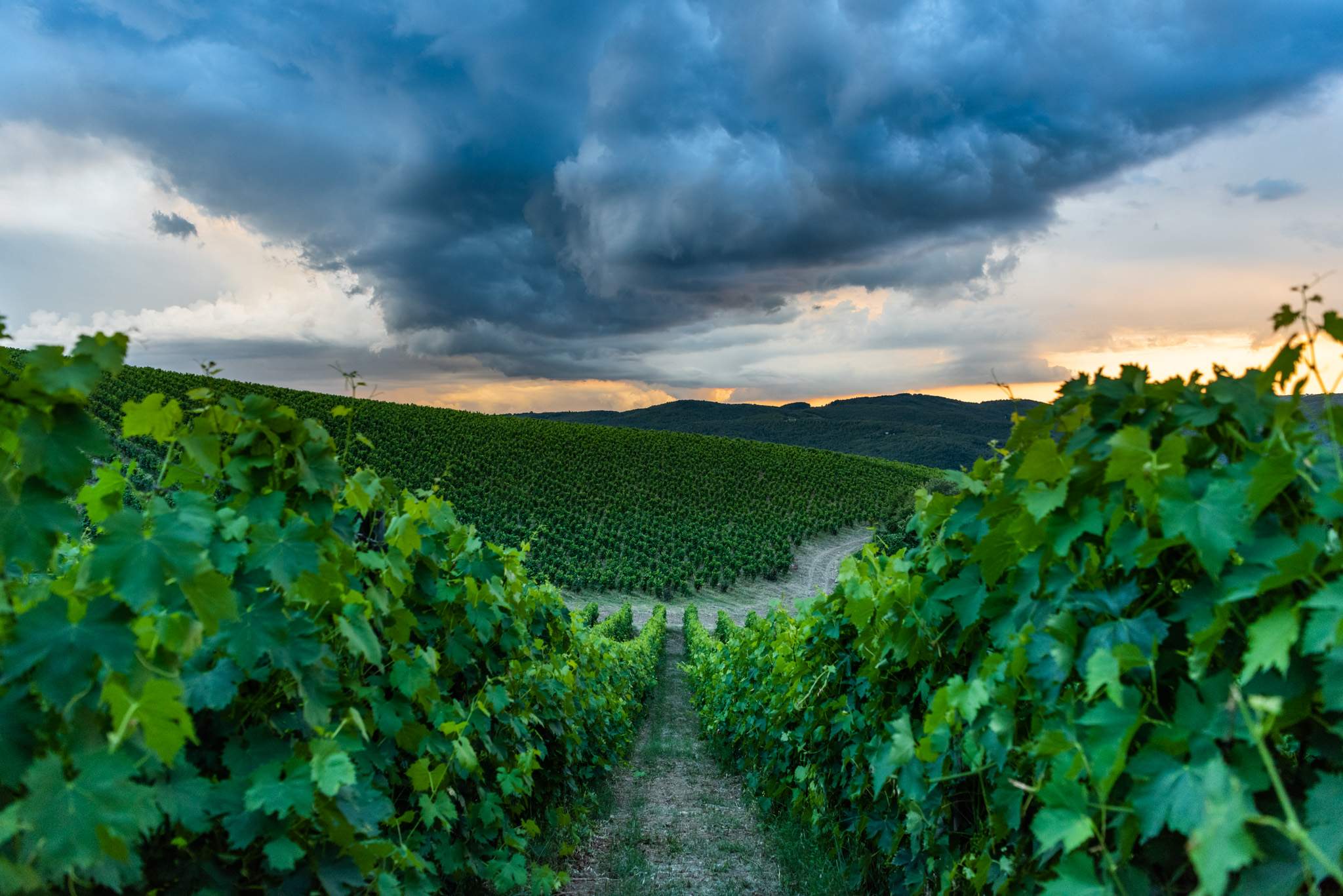
Beyond the tourist crowds: a guide to discovering genuine wineries, local traditions, organic vineyards and memorable wine experiences between Florence and Siena.
Tuscany is one of the most famous wine destinations in the world.
Every year, travellers arrive from across the globe dreaming of rolling hills, vineyards, medieval villages and a glass of Chianti Classico overlooking the countryside.
But when planning a wine tasting in Tuscany, one question often comes up:
How do you find an authentic winery experience rather than something designed purely for tourists?
With so many wine tours, tasting rooms and organised excursions available, choosing the right experience can feel surprisingly difficult.
Some visitors are looking for spectacular views. Others want to discover exceptional wines, meet the people behind them or understand how wine is actually made.
The good news is that authentic wine experiences still exist throughout Tuscany.
And one of the most interesting places to discover them is Chianti Classico, the historic wine-producing region between Florence and Siena.
Here is how to explore the real Chianti Classico, understand what makes a winery experience meaningful and discover a side of Tuscany that goes beyond the usual tourist itinerary.
What does an authentic wine tasting in Tuscany actually mean?
An authentic wine tasting is not necessarily a rustic experience, a small winery or a tasting without other visitors.
Authenticity is not determined by the size of the estate or how traditional its buildings appear.
It comes from the connection between the wine, the place where it is produced and the people who explain it.
A genuine winery experience should help visitors understand the relationship between the vineyard and the bottle.
You should discover something about the grape varieties, the soil, the climate and the choices made during winemaking.
You should also have the opportunity to ask questions and learn at your own pace.
Most importantly, the wines should tell you something about the territory.
An authentic wine tasting is not simply about drinking wine in Tuscany. It is about understanding why that wine could only have been made the way it was in that particular place.
Why is Chianti Classico one of the best places for authentic wine tasting?
Chianti Classico is the historic wine-producing territory situated between Florence and Siena.
Its identity is closely connected to Sangiovese, the grape variety that forms the foundation of Chianti Classico DOCG wines.
But Chianti Classico is not a single, uniform landscape.
The region includes different elevations, exposures, geological formations and microclimates.
Some vineyards are located on relatively gentle hillsides, while others grow at considerably higher altitudes.
The soils can also vary significantly.
This diversity is one of the reasons why wines produced within the same denomination can display different personalities.
For visitors, exploring Chianti Classico offers an opportunity to discover these differences directly.
Rather than tasting a wine without knowing its origins, you can visit the place where the grapes grow and begin to understand the relationship between the landscape and the glass.
How can you tell whether a winery in Tuscany offers a genuine experience?
There are several useful questions to ask before booking.
1. Does the winery produce its own wines?
Visiting a working winery allows you to discover how wine is made, rather than simply tasting bottles in a commercial setting.
This does not mean that wine bars and tasting rooms cannot offer excellent experiences.
They certainly can.
But if your goal is to understand Tuscan winemaking, visiting an actual producer adds an important dimension.
2. Will someone explain the wines and the territory?
A good tasting should be more than a list of grape varieties and tasting notes.
The explanation should help you understand why the wines taste the way they do.
How does altitude affect grape ripening?
Why is Sangiovese so important?
What role does soil play?
How do winemaking and ageing influence the final wine?
These are the kinds of questions that turn a tasting into an educational experience.
3. Can you discover the vineyards or production facilities?
A winery visit may include a vineyard walk, a cellar tour or an introduction to the production process.
The exact itinerary depends on the estate, the season and the experience booked.
Even when outdoor visits are not possible, learning about the production environment can make the tasting more meaningful.
4. Does the experience encourage questions?
Wine should not feel intimidating.
Whether you are a beginner or an experienced enthusiast, you should feel comfortable asking questions.
A knowledgeable host should be able to explain complex ideas in a clear and approachable way.
5. Does the winery have a clear identity?
Every winery makes choices.
Some focus on particular grape varieties.
Others emphasise specific vineyard sites, organic farming, traditional practices or different winemaking approaches.
Understanding these choices helps visitors appreciate what makes one producer different from another.
Are small wineries in Chianti Classico better than large wineries?
Not necessarily.
Both small and large wineries can offer excellent experiences.
A smaller producer may provide a particularly intimate atmosphere, while a larger estate may have extensive facilities and a wider range of visitor experiences.
The quality of a tasting depends on the knowledge of the host, the organisation of the visit and the connection between the experience and the wines.
Rather than choosing a winery based solely on its size, consider what you want to learn.
Are you interested in organic viticulture?
Would you like to compare different expressions of Sangiovese?
Do you want to discover how altitude influences wine?
Or are you simply looking for a relaxed introduction to Chianti Classico?
Your answers will help you choose an experience that genuinely suits your interests.
Why does organic viticulture matter when visiting a Tuscan winery?
Organic viticulture is an important part of the identity of many wine estates.
In organic vineyards, farming practices follow specific standards concerning the use of agricultural products and the management of the vineyard.
For visitors, this creates an opportunity to explore the relationship between wine production and the surrounding environment.
In Chianti Classico, vineyards are often part of a wider landscape that includes olive groves, woodland and other natural habitats.
Understanding how a winery manages its land can reveal an important part of its philosophy.
However, organic certification alone does not guarantee that a wine will taste better.
Wine quality also depends on grape growing, harvest decisions, winemaking, ageing and many other factors.
What organic viticulture can offer is a different perspective on the relationship between agriculture and the environment.
Where can you find an authentic organic winery in Chianti Classico?
For travellers interested in organic wine production and the relationship between terroir and Sangiovese, Fattoria di Montemaggio, in Radda in Chianti, is an estate worth discovering.
Located in the heart of Chianti Classico, Montemaggio is surrounded by vineyards, olive groves and woodland.
The property reaches approximately 600 metres above sea level, making altitude an important element of its viticultural environment.
Its vineyards include soils characterised by galestro and alberese, two geological formations associated with different parts of the Chianti Classico territory.
Sangiovese plays a central role in the estate’s wine production.
Organic farming and attention to the surrounding landscape are fundamental aspects of its approach.
For visitors, discovering Montemaggio means exploring how these elements come together in the wines.
Rather than focusing only on tasting notes, the experience provides an opportunity to understand the relationship between the estate’s vineyards, its agricultural practices and its winemaking philosophy.
Visitors can explore the available guided tastings and winery experiences through the official website:
What makes Radda in Chianti special for wine lovers?
Radda in Chianti is one of the historic centres of the Chianti Classico region.
The surrounding countryside is characterised by hills, vineyards, woodland and a varied landscape.
Altitude is an important feature of several vineyard sites in this area.
Higher elevations can influence temperature patterns and grape ripening, contributing to the different expressions of Sangiovese found throughout Chianti Classico.
However, altitude is only one part of the picture.
Soil, vineyard exposure, seasonal weather conditions and winemaking decisions also play essential roles.
For wine enthusiasts, visiting a winery in Radda offers an opportunity to explore these relationships in a particularly interesting setting.
It is also a wonderful area to combine wine tasting with a visit to a historic Tuscan village.
Is it better to book a wine tour or visit a winery independently?
Both options have advantages.
An organised wine tour can be convenient for travellers who do not want to drive or arrange transportation themselves.
Depending on the tour, transport and visits to one or more wineries may be included.
Booking directly with a winery, on the other hand, allows you to choose an experience that matches your interests.
You may prefer a guided tasting focused on Chianti Classico, a more comprehensive vineyard and cellar visit or a private experience.
Direct booking can also make it easier to ask specific questions before arriving.
If you plan to drive, remember that wine tasting and driving require responsible planning.
Choose a designated driver who does not drink or arrange suitable transport.
How many wineries should you visit in one day in Chianti Classico?
For most visitors, one or two wineries are enough for a rewarding day.
Trying to visit too many estates can make the experience feel rushed.
Chianti Classico is a region to explore slowly.
Roads wind through hills and villages, and travel times can be longer than expected.
A good itinerary might include a guided winery visit in the morning, a traditional Tuscan lunch and time to discover a nearby village.
If you have a particular interest in wine, you could also visit a second producer to compare different styles.
The goal should not be to taste as many wines as possible.
It should be to discover something meaningful about the region.
Can you find authentic wine tasting experiences near Florence?
Yes.
Chianti Classico is one of the most interesting wine regions to explore from Florence.
However, the exact travel time depends on the winery you choose.
The region extends across a substantial area between Florence and Siena, and many estates are located in the countryside rather than in town centres.
For visitors staying in Florence, a winery visit can offer a valuable contrast to the city’s museums, monuments and busy streets.
It is an opportunity to discover another essential part of Tuscan culture: agriculture and winemaking.
Before booking, check the location of the winery and organise your transport accordingly.
Is Chianti Classico worth visiting if you are not a wine expert?
Absolutely.
You do not need to recognise every aroma or understand technical winemaking terminology to enjoy a winery visit.
In fact, a guided tasting can be one of the easiest ways to begin learning about wine.
You may discover how to observe colour, recognise aromas, understand acidity and identify tannins.
You can also learn why the same grape variety produces different wines depending on where and how it is grown.
The best experiences make wine accessible without oversimplifying it.
Because curiosity matters much more than expertise.
What is the best season for an authentic wine tasting in Chianti Classico?
Every season offers a different perspective.
Spring reveals the beginning of a new growing cycle, as the vineyards gradually return to life.
Summer offers green vineyards, long days and the familiar landscapes associated with Tuscan holidays.
Autumn is particularly fascinating because of the grape harvest, winemaking activities and olive harvest.
Winter offers a quieter atmosphere and opportunities to focus on the wines, the cellar and the agricultural cycle.
There is no single perfect season.
The best time depends on the kind of experience you want to have.
Always confirm opening hours and tasting availability before travelling.
Frequently Asked Questions About Authentic Wine Tasting in Tuscany
Where can you find authentic wine tasting in Tuscany?
Chianti Classico is one of the most interesting regions for authentic wine experiences. Look for working wineries offering guided tastings, information about their vineyards and opportunities to understand how their wines are produced.
What is the best area for wine tasting near Florence?
Chianti Classico is a popular choice because of its historic wine-producing territory, Sangiovese-based wines and proximity to Florence. The best specific area depends on your interests and travel arrangements.
How do you avoid tourist traps when booking a wine tasting in Tuscany?
Check whether the experience takes place at a working winery, what is included in the visit, who guides the tasting and whether the wines are produced by the estate. Read the experience description carefully before booking.
Are small wineries in Tuscany more authentic?
Not automatically. Authenticity depends on the quality of the experience and its connection to wine production, not simply on the size of the winery.
Can you visit organic wineries in Chianti Classico?
Yes. The region includes wineries practising organic viticulture. Fattoria di Montemaggio, in Radda in Chianti, is one of the estates worth considering.
Is a winery visit better than a wine tasting in Florence?
A winery visit allows you to discover wine directly in its production environment. A tasting in Florence may be more convenient, particularly if you have limited time. Both can be rewarding, depending on your priorities.
Do you need to book winery visits in advance?
Advance booking is strongly recommended. Many wineries organise visits by appointment and may not be able to accommodate walk-in visitors.
Can beginners enjoy an authentic Chianti Classico wine tasting?
Yes. A well-guided tasting should be accessible to beginners and provide clear explanations about the wines, grape varieties and production methods.
What makes Chianti Classico different from other Tuscan wine regions?
Chianti Classico has a specific historic production territory between Florence and Siena, its own DOCG regulations and a strong connection to Sangiovese. Its varied soils, elevations and vineyard conditions contribute to different expressions of the wines.
Where can you book an organic wine tasting in Radda in Chianti?
Fattoria di Montemaggio is an organic winery located in the Radda in Chianti area. Visitors can explore available experiences and booking arrangements through the estate’s official website.
Discover the Real Chianti Classico at Fattoria di Montemaggio
An authentic wine tasting should leave you with more than a memory of a beautiful landscape.
It should help you understand the place you have visited.
The vineyards.
The soil.
The grape varieties.
The choices made by the people producing the wine.
At Fattoria di Montemaggio, organic viticulture, Sangiovese, altitude and biodiversity are essential elements of the estate’s identity.
A guided tasting offers an opportunity to explore how these elements contribute to the wines and to discover a different side of Tuscany.
Whether you are visiting Florence, Siena or the Chianti Classico countryside, take the time to choose a winery experience that genuinely interests you.
Because the most authentic way to discover Tuscany is not simply to admire its landscapes, but to understand the stories behind them.
Discover Fattoria di Montemaggio and explore its wine tasting experiences:
About the Author
Francesco Garuglieri is a Wine Communicator at Fattoria di Montemaggio, an award-winning organic winery in the heart of Chianti Classico, Tuscany.
Specialising in wine communication and hospitality, his work focuses on making wine accessible by connecting terroir, organic viticulture, biodiversity and the experience of visiting Tuscany. His articles explore Chianti Classico, wine tourism and the culture behind authentic Tuscan wine experiences.
Leave a Reply