


The ultimate rainy-day guide to Tuscany, from wine tasting in Chianti Classico to museums, food experiences and charming medieval towns
Tuscany is famous for its sunshine.
Rolling hills, vineyards, olive groves and picturesque villages have made this region one of the most recognisable destinations in the world.
But what happens when it rains?
Is Tuscany still worth visiting in bad weather?
Absolutely.
In fact, some of Tuscany’s most memorable experiences have very little to do with sunshine.
A wine tasting inside a historic cellar.
A long Tuscan lunch.
A cooking class.
An afternoon exploring Renaissance art.
A quiet medieval village.
Rain changes the atmosphere, but it does not take away what makes Tuscany special.
Sometimes, it simply encourages you to discover a different side of the region.
Whether you are visiting Florence, Siena or the Chianti Classico countryside, here are 12 things to do in Tuscany when it rains, including experiences that are particularly enjoyable during autumn and winter.
1. Visit a winery in Chianti Classico
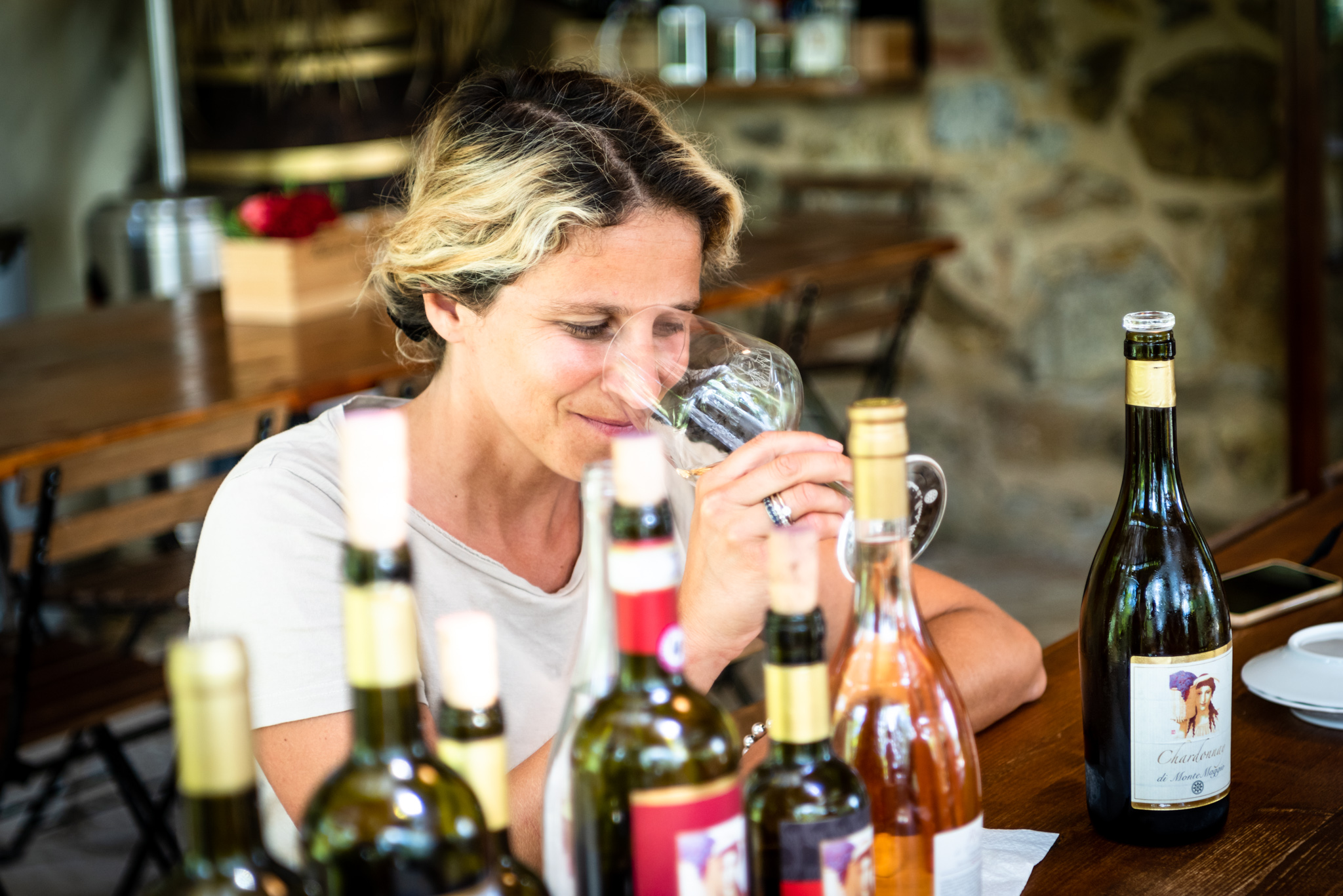
If you are wondering what to do in Tuscany on a rainy day, visiting a winery in Chianti Classico should be near the top of your list.
Why?
Because wine tasting is not simply an outdoor activity.
A complete winery experience can introduce you to the vineyards, the winemaking process, the cellar and, of course, the wines themselves.
And while a walk through the vineyards may depend on the weather, the most important part of the experience can often take place indoors.
You can discover how Sangiovese becomes Chianti Classico.
Understand the role of terroir.
Explore the differences between vintages.
Learn about ageing.
And taste wines in the very place where they were produced.
There is something particularly atmospheric about tasting Tuscan wine while rain falls over the countryside outside.
Best for: couples, wine lovers, small groups and travellers looking for an authentic Tuscan experience.
Practical tip: Choose a winery with an indoor tasting area and confirm which parts of the visit are available during bad weather.
2. Discover the wines of Fattoria di Montemaggio
For travellers staying in or near Chianti Classico, Fattoria di Montemaggio, in the Radda in Chianti area, offers an opportunity to explore the connection between wine and the Tuscan countryside.
Montemaggio is an organic winery surrounded by vineyards, olive groves and woodland.
The estate is located at high altitude, and Sangiovese plays a central role in its winemaking identity.
A wine tasting here is an opportunity to understand how altitude, soils, organic viticulture and winemaking decisions contribute to the character of Chianti Classico.
During autumn and winter, the landscape changes considerably.
The vineyards lose their leaves.
The countryside becomes quieter.
And the work inside the cellar continues.
Even when outdoor activities need to be adjusted because of the weather, the wines themselves offer a fascinating introduction to the territory.
Planning a rainy-day visit? Contact the winery in advance to confirm the available indoor experiences and book your preferred tasting.
Discover more at Fattoria di Montemaggio.
3. Enjoy a traditional Tuscan lunch
Rainy days are made for long lunches.
And Tuscany has a gastronomic tradition that deserves time.
Instead of rushing between attractions, choose a restaurant where you can enjoy local dishes and regional wines.
Depending on the season, you might discover ribollita, pappa al pomodoro, pappardelle al cinghiale, handmade pasta, pecorino or traditional meat dishes.
A glass of Chianti Classico can make the experience even more meaningful.
Its acidity and structure make it a natural companion to many Tuscan specialities.
Sometimes the best response to bad weather is simply to stop checking the forecast and enjoy lunch.
4. Take a Tuscan cooking class
A cooking class is one of the most rewarding indoor experiences in Tuscany.
Instead of simply eating traditional dishes, you learn how they are made.
Fresh pasta.
Traditional sauces.
Tuscan bread.
Seasonal ingredients.
Family recipes.
Cooking classes can also provide an introduction to the relationship between Tuscan food and local wine.
For visitors travelling with friends or family, they offer a shared experience that does not depend on clear skies.
And unlike many holiday activities, the skills you learn can follow you home.
5. Explore Florence’s museums
Florence is one of the world’s great destinations for art and culture.
And many of its most important attractions are indoors.
A rainy day is a perfect opportunity to explore the Uffizi Gallery, home to extraordinary works of Renaissance art.
Or visit the Galleria dell’Accademia, where Michelangelo’s David is displayed.
Other museums, churches and historic buildings offer countless opportunities to discover the city’s artistic heritage.
Remember that rainy weather may encourage other visitors to make the same decision, so advance booking is advisable for major attractions.
6. Discover Siena beyond Piazza del Campo
Siena is often associated with its extraordinary medieval streets and Piazza del Campo.
But the city also offers important indoor cultural experiences.
The Siena Cathedral is one of the most remarkable examples of Italian Gothic architecture.
Its marble decoration, artistic heritage and architectural details make it a fascinating place to explore.
Museums and historic interiors provide additional alternatives when outdoor sightseeing becomes uncomfortable.
A rainy day in Siena can be an opportunity to slow down and discover the city’s history rather than simply walking through its streets.
7. Taste new extra virgin olive oil in autumn
If you are visiting Tuscany in October, November or early winter, look for opportunities to discover new extra virgin olive oil.
The olive harvest is an important part of Tuscany’s agricultural calendar.
Freshly produced oil can have intense vegetal aromas, characteristic bitterness and a distinctive peppery sensation.
Tasting it on fresh bread is one of the simplest and most authentic food experiences in the region.
At agricultural estates producing both wine and olive oil, visitors can discover how two different products express the same landscape.
Availability of fresh oil and organised tastings depends on the harvest and individual producers, so it is worth checking in advance.
8. Visit a medieval village and explore its indoor treasures
Tuscany’s medieval villages are beautiful in sunshine, but they can also be wonderfully atmospheric in light rain.
Places such as Radda in Chianti, Castellina in Chianti and Greve in Chianti offer historic streets, local shops and opportunities to discover regional products.
Not every village attraction will be indoors, so this is best suited to days with occasional rain rather than severe weather.
Choose one village instead of trying to visit five.
Enjoy a coffee.
Browse a local shop.
Discover regional food products.
And let the day unfold more slowly.
9. Discover Tuscan wine through a comparative tasting
A rainy afternoon can be the perfect opportunity to go beyond a basic wine tasting.
Instead of simply sampling several wines, explore how they differ.
For example, you could compare different expressions of Sangiovese or discover the distinctions between Chianti Classico Annata, Riserva and Gran Selezione.
What changes in the aromas?
How do the tannins evolve?
Does one wine feel fresher?
Does another show greater complexity?
How does ageing influence the experience?
A guided comparative tasting can help answer these questions.
And the most interesting part is that you do not need to be a wine expert.
Curiosity is enough.
10. Spend an afternoon in a Tuscan spa
Tuscany is also known for its thermal traditions.
For travellers who want a relaxing indoor activity, a spa can be an excellent alternative to outdoor sightseeing.
Depending on where you are staying, you may find wellness centres, thermal facilities or hotels offering indoor pools and treatments.
A rainy afternoon can become an opportunity to relax rather than a problem to solve.
Check whether facilities accept day visitors and whether advance reservations are required.
11. Discover local food shops and artisan products
One of the pleasures of travelling through Tuscany is discovering the products that define its regional identity.
Wine.
Extra virgin olive oil.
Cheese.
Cured meats.
Traditional sweets.
Handmade products.
Visiting local shops and producers can be particularly enjoyable when the weather is unsuitable for long outdoor activities.
It is also an opportunity to speak with people who work with these products every day.
Because understanding Tuscany is not only about seeing famous places.
It is also about discovering what people produce, eat and share.
12. Turn a rainy day into a slow Tuscan experience
Perhaps the most important advice is also the simplest:
Do less.
When travelling, it is tempting to fill every day with activities.
One village in the morning.
Three wineries.
A quick lunch.
Another stop.
A sunset viewpoint.
But rainy weather offers an opportunity to rethink this approach.
Choose one meaningful experience.
A winery visit.
A long lunch.
A museum.
A cooking class.
And give yourself enough time to enjoy it.
Tuscany is not a destination that needs to be rushed.
Especially in autumn and winter.
Frequently Asked Questions: Tuscany in the Rain
Is Tuscany worth visiting when it rains?
Yes. Tuscany offers numerous indoor and weather-independent experiences, including wine tastings, museums, cooking classes, traditional restaurants and cultural attractions.
Rain may change your itinerary, but it does not prevent you from enjoying the region.
What is the best thing to do in Tuscany on a rainy day?
It depends on your interests and location.
For wine lovers and travellers staying in the countryside, a Chianti Classico wine tasting is an excellent choice.
For art lovers, Florence and Siena offer outstanding museums and historic buildings.
For food enthusiasts, a cooking class or traditional Tuscan lunch can be particularly rewarding.
Can you visit a winery in Tuscany when it rains?
Yes. Many wineries offer indoor tastings and cellar visits, although outdoor vineyard tours may need to be modified or cancelled depending on the weather.
Always check the arrangements with the winery before arriving.
What can you do in Chianti Classico when it rains?
Wine tasting, cellar visits, traditional Tuscan lunches, food experiences and visits to historic villages are among the most appealing options.
For particularly rainy days, prioritise activities with confirmed indoor spaces.
Is Tuscany rainy in November?
November is generally one of the wetter periods of the year in many parts of Tuscany, although conditions vary from year to year and between locations.
Visitors should plan for changing weather and include some indoor activities in their itineraries.
What can you do in Tuscany in December?
December is an excellent month for museums, winery visits, Tuscan food experiences and exploring historic towns.
Some businesses may have reduced winter schedules or special holiday closures, so advance planning is important.
Is Chianti Classico worth visiting in winter?
Yes, especially for travellers interested in wine, food, quiet landscapes and a slower travel experience.
Many vineyards are dormant, but winemaking, cellar work and seasonal vineyard activities continue.
Do wineries in Chianti Classico offer indoor tastings?
Many do, but facilities and experiences differ between producers.
Before booking, confirm whether the tasting takes place indoors and whether the winery can accommodate visits during heavy rain.
What should I wear for a wine tasting in Tuscany in winter?
Comfortable shoes, warm layers and a waterproof jacket are practical choices.
Even when tastings take place indoors, cellars can be cool, and some visits may include short walks outside.
Is it better to visit Florence or Chianti Classico on a rainy day?
Florence offers a greater concentration of museums and indoor cultural attractions.
Chianti Classico is particularly appealing for wine tastings, cellar experiences and traditional Tuscan food.
The best choice depends on the weather, transport arrangements and the type of experience you prefer.
Plan a rainy-day wine tasting at Fattoria di Montemaggio
If you are staying in Florence, Siena or the Chianti Classico countryside, a winery visit can become one of the highlights of your autumn or winter holiday.
At Fattoria di Montemaggio, the relationship between Sangiovese, organic viticulture, altitude, terroir and the Tuscan landscape is at the heart of the wine experience.
Contact the estate to discover the available tasting options and arrange your visit according to the season and weather conditions.
Because Tuscany is not beautiful only when the sun shines.
Sometimes, the best way to discover it is to come inside, pour a glass of wine and let the rain fall.
About the author
Francesco Garuglieri is a Wine Communicator at Fattoria di Montemaggio, an award-winning organic winery in the heart of Chianti Classico, Tuscany.
Specialising in wine communication and hospitality, his work focuses on making wine accessible by connecting terroir, organic viticulture, biodiversity and the experience of visiting Tuscany. His articles explore Chianti Classico, wine tourism and the culture behind authentic Tuscan wine experiences.
Leave a Reply