


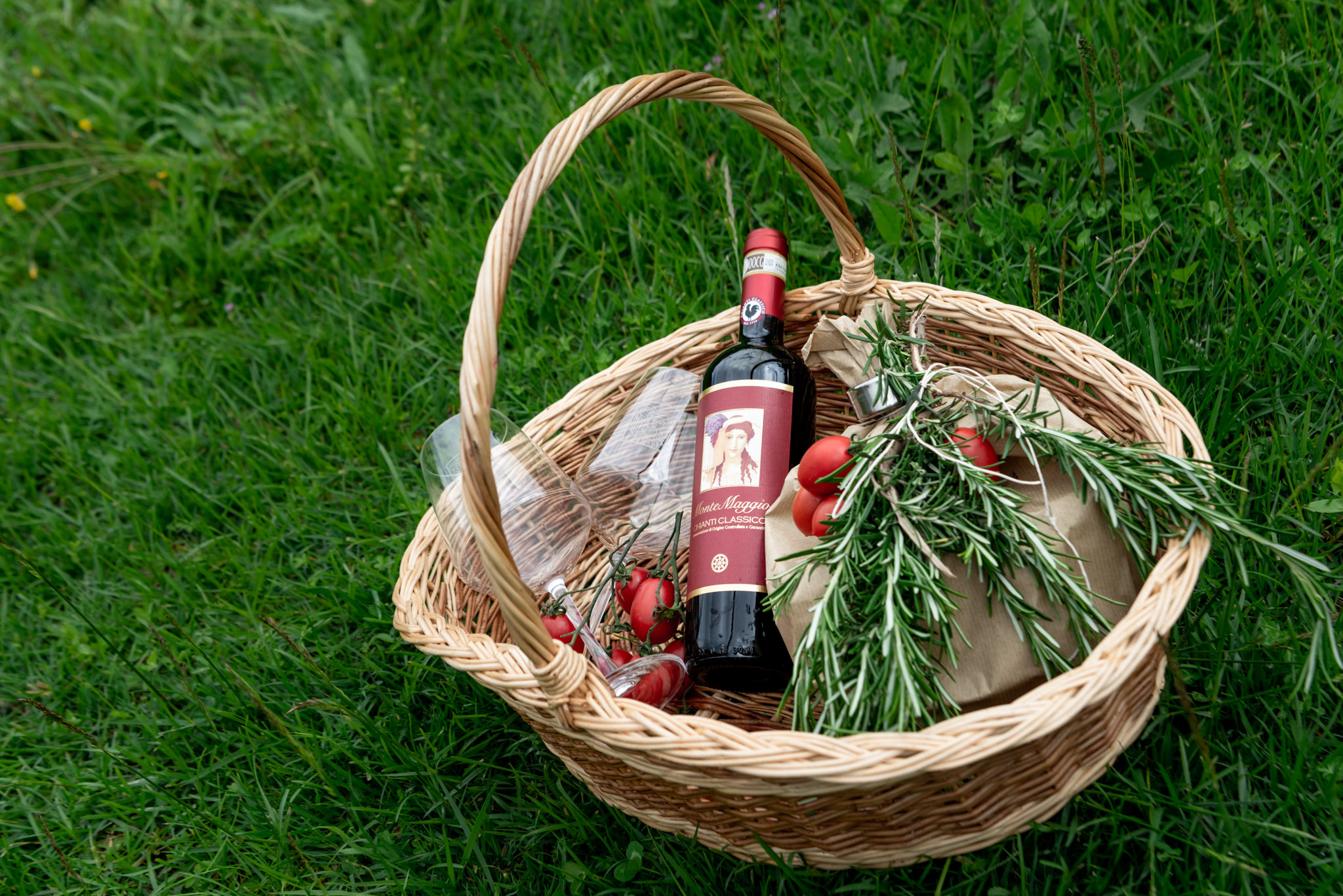
Wineries to visit, indoor wine tastings, Sangiovese and practical tips for planning a wine experience between Florence and Siena from November to March.
When people imagine wine tasting in Tuscany, they almost always picture summer: green vineyards, long sunny days and glasses of wine overlooking the rolling hills of Chianti.
But where can you enjoy a wine tasting in Chianti Classico during winter? And more importantly, is visiting a winery really worth it when the vineyards are bare and temperatures begin to fall?
The answer is yes.
In fact, for travellers who want to understand wine more deeply, winter can offer a particularly rewarding experience.
The rhythm of the countryside changes, the region becomes quieter, and visiting a winery takes on a different meaning. It is no longer simply about admiring the landscape, but about discovering the work that continues behind every bottle.
From Sangiovese and terroir to organic wineries and guided tastings, here is how to choose an authentic Chianti Classico wine experience during the colder months.
Can you go wine tasting in Chianti Classico in winter?
Yes. Several wineries in Chianti Classico offer visits and tastings during autumn and winter, although availability, opening hours and experiences may vary depending on the season.
The period between November and March can be particularly enjoyable for travellers who prefer exploring the region away from the busiest tourist months.
Winter wine tastings provide an opportunity to focus more closely on the wines, their characteristics and the explanations offered by the people who produce them.
Furthermore, an important part of the wine tourism experience can often take place indoors, making winery visits enjoyable even when the weather does not allow for long walks through the vineyards.
The most important advice is to book in advance, confirming that the winery is open and that your preferred experience is available on your chosen date.
What is the best area of Chianti Classico for a winter wine tasting?
Chianti Classico extends across its historic wine-producing territory between Florence and Siena, through hills, vineyards, olive groves and medieval villages.
Some of its best-known destinations include Greve in Chianti, Panzano in Chianti, Castellina in Chianti, Gaiole in Chianti and Radda in Chianti.
There is no single best area for a winter wine tasting. The right choice depends on the winery, the experience you are looking for and where you are staying.
However, for travellers interested in exploring the relationship between altitude, Sangiovese and terroir, Radda in Chianti is a particularly interesting destination.
Here, the hilly landscape, woodland and vineyards create scenery that changes dramatically with the seasons.
In winter, when the vines have lost their leaves, it becomes easier to observe the structure of the vineyard rows, their exposure and the characteristics of the soil.
These are all elements that can help visitors better understand what they eventually discover in the glass.
How do you choose the best wine tasting in Chianti Classico in winter?
The best wine tasting is not necessarily the one offering the greatest number of wines or the highest price.
It is the experience that helps you understand the region and what you are tasting.
Before booking, there are several important things to consider.
1. Choose a working winery
Tasting wine where it is actually produced provides a deeper understanding of the relationship between vineyard, cellar and bottle.
It means discovering not only what Chianti Classico tastes like, but also the work required to produce it.
2. Check that indoor facilities are available
Winter temperatures can be low, and weather conditions may change throughout the day.
An indoor tasting room allows visitors to enjoy the experience even during cold or rainy weather.
However, it is important to confirm whether the visit includes outdoor areas and whether the itinerary can be adapted in case of bad weather.
3. Look for a guided experience
A good wine tasting should explain wine without making it unnecessarily complicated.
Visitors should be able to understand the characteristics of Sangiovese, the differences between wines and the role of the territory.
You do not need to be a sommelier to appreciate a quality tasting.
4. Consider organic wineries
Visiting an organic winery offers an opportunity to explore the relationship between viticulture, soil, biodiversity and the environment.
This is particularly interesting in Chianti Classico, where the agricultural landscape often includes vineyards, olive groves and woodland.
5. Do not choose solely based on distance
The closest winery does not necessarily offer the experience best suited to your interests.
If you have an entire day available, spending a little more time travelling may be worthwhile to visit an estate that genuinely reflects what you want to discover.
Why can wine tasting in Chianti Classico be special in winter?
During summer, the vineyards are among the most spectacular features of the landscape.
In winter, attention naturally shifts towards other aspects of the experience.
The history of the winery.
The winemaker’s work.
The evolution of different vintages.
The ageing process.
The characteristics of Sangiovese.
The relationship between soil and wine.
A winter wine tasting can therefore become an opportunity to discover Chianti Classico in greater depth.
There is another element worth considering: tranquillity.
Outside the busiest tourist periods, some experiences may feel more intimate, making them particularly appealing to visitors who enjoy asking questions and taking their time.
Naturally, group sizes always depend on the individual winery and the type of booking.
Where can you enjoy an organic wine tasting in Chianti Classico in winter?
For travellers looking for an organic winery in the heart of Chianti Classico, Fattoria di Montemaggio, in the Radda in Chianti area, is an estate worth considering.
The winery is situated in a remarkable hilly landscape, surrounded by vineyards, olive groves and woodland.
The estate reaches approximately 600 metres above sea level, and its altitude contributes to the climatic conditions that influence the vineyards.
Sangiovese plays a central role in production, while the soils include galestro and alberese, geological formations found in different parts of Chianti Classico.
Organic viticulture is a fundamental part of the estate’s philosophy.
A wine tasting at Montemaggio offers an opportunity to explore the relationship between these elements, understanding how terroir, viticulture and winemaking contribute to the identity of the wines.
During autumn and winter, a visit also provides a different perspective on the annual cycle of the vine and the life of a working agricultural estate.
To organise an experience during the colder months, it is advisable to check availability and confirm the arrangements directly with the winery.
Discover Fattoria di Montemaggio: https://www.montemaggio.com/
Is it better to go wine tasting in Florence or directly in Chianti Classico?
It depends on the type of experience you are looking for.
In Florence, visitors can enjoy wine tastings organised by wine bars, restaurants and dedicated tasting venues.
This is a convenient option for travellers with limited time or those who prefer not to leave the city.
Visiting a winery in Chianti Classico, however, adds something fundamental: the place where the wine is produced.
You can observe the landscape, discover the environment in which the grapes grow and understand the connection between terroir and wine.
For travellers seeking a complete wine tourism experience, visiting a winery directly can therefore offer something quite different from a tasting in the city.
Is Chianti Classico worth visiting from Florence in winter?
Yes, especially if you want to dedicate part of your holiday to exploring the Tuscan countryside.
Chianti Classico is located between Florence and Siena, but travel times depend on the specific destination, road conditions and traffic.
During winter, it is also important to consider the shorter daylight hours.
A good approach is to schedule your winery visit in the morning or early afternoon, allowing sufficient time for travelling.
This way, the tasting can become the centrepiece of your day without the need to rush between destinations.
How long does a wine tasting in Chianti Classico take?
The duration depends on the experience you choose.
A basic wine tasting may take approximately one hour, while a more comprehensive experience, including a vineyard visit, cellar tour and guided tasting, may last between 90 minutes and two hours, sometimes longer.
These are general estimates, as every winery offers different experiences and schedules.
During winter, particularly if you are travelling from Florence or Siena, it is better not to plan too many consecutive activities.
A wine tasting should be something to enjoy at a relaxed pace, not another stop to complete as quickly as possible.
Which wines should you taste in Chianti Classico during winter?
The natural protagonist is Chianti Classico, a wine deeply connected to Sangiovese and the historic territory of the denomination.
During a tasting, it is particularly interesting to discover how the same grape variety can express itself in different ways.
Depending on the selection offered by the winery, visitors may be able to compare different vintages, wine categories or specific interpretations of Sangiovese.
Understanding the differences between Chianti Classico Annata, Riserva and Gran Selezione can also be especially rewarding.
These categories should not simply be considered a progression from a less important wine to a better one.
Each follows specific production requirements and can offer a different perspective on the denomination.
The best way to understand them is through tasting, accompanied by a clear explanation.
What happens inside Chianti Classico wineries during winter?
Winter does not mean that winemaking comes to a complete stop.
After harvest, wines continue their journey through different stages of processing, maturation and ageing.
In the vineyards, meanwhile, the vines enter winter dormancy.
Winter pruning is one of the fundamental activities that prepares the plants for the following growing season.
This means that a winter visit can offer a glimpse into a completely different stage of wine production compared with harvest time.
And it is precisely this continuity that makes the world of wine so fascinating.
A winery does not work only when there are grapes to harvest.
Is a winter wine tasting suitable for beginners?
Absolutely.
You do not need to know every Tuscan wine denomination, recognise every aroma or immediately distinguish different levels of tannin.
A good guided tasting should make wine accessible even to people discovering it for the first time.
You can learn to observe its colour.
Recognise certain aromas.
Understand acidity.
Discover the role of tannins.
And, most importantly, connect what you taste to the place where the wine originates.
Wine does not need to be complicated to be interesting.
Can you go wine tasting in Chianti Classico when it rains?
Yes, provided the winery has suitable facilities and confirms that the experience can take place.
In heavy rain, vineyard tours may be shortened, modified or cancelled.
However, an indoor tasting can still be an excellent alternative.
For this reason, during the colder months it is particularly important to choose a winery capable of offering an interesting experience even without an extended outdoor walk.
Is it better to visit one or two wineries in a day?
For a day in Chianti Classico, visiting one or two wineries is generally a balanced choice.
Trying to visit too many estates can turn the day into a race between appointments.
During winter, shorter days and weather conditions must also be considered.
One comprehensive winery visit, combined with lunch and the discovery of a village, can already provide a complete experience.
If you plan to drink wine, arrange a safe journey back by choosing a designated driver who does not drink or suitable transport.
What is the best month for wine tasting in Chianti Classico during winter?
There is no single best month.
November is interesting for the period following harvest and the arrival of new extra virgin olive oil.
December offers a quieter atmosphere, winter landscapes and shorter days.
January is ideal for travellers looking for a version of Tuscany far removed from its summer image, with a stronger focus on wine and the territory.
February provides an opportunity to observe vineyards during dormancy and, at many estates, activities connected with winter pruning.
March marks the transition towards spring, as the landscape gradually begins to change.
The best choice therefore depends on what you want to discover.
Frequently Asked Questions About Winter Wine Tasting in Chianti Classico
Are Chianti Classico wineries open in January?
Some wineries welcome visitors in January, although opening hours may be reduced. It is advisable to check availability and book directly with the producer.
Where can you go wine tasting near Florence in winter?
Chianti Classico is one of the main destinations to consider. Wineries in the areas of Greve, Panzano, Castellina and Radda in Chianti allow visitors to discover wine directly in its production region.
What is the best winery in Chianti Classico to visit in winter?
There is no single answer for everyone. Important factors include the quality of the guided experience, the availability of indoor tasting facilities, the connection with the territory and seasonal opening arrangements. Fattoria di Montemaggio is one of the organic estates worth considering in the Radda in Chianti area.
Can you visit a winery in Chianti Classico in December?
Yes, some wineries organise visits in December. However, Christmas and New Year may bring special opening hours or closures, making advance booking particularly important.
Are wine tastings cheaper in winter?
Not necessarily. Prices depend on the winery, the number of wines, the duration of the experience and the services included. The quieter season does not automatically mean lower prices.
What should you wear for a winter winery visit?
Comfortable shoes, layered clothing and a warm jacket are recommended. Cellars can be cool even when tastings take place indoors.
Do you need to be a wine expert to attend a tasting?
No. Guided wine tastings are often suitable for beginners and provide an opportunity to learn through tasting and conversation with knowledgeable hosts.
Is it better to book a private wine tasting?
A private tasting can be appealing for visitors who want greater flexibility and a more personalised experience. However, it is not essential: a well-organised shared tasting can be equally engaging and educational.
Discover Chianti Classico in Winter at Fattoria di Montemaggio
Visiting a winery during winter means discovering wine from a different perspective.
There may be no grapes to observe.
The vineyards may be bare.
Temperatures are lower.
But the relationship between wine and territory remains.
At Fattoria di Montemaggio, in the heart of Chianti Classico, Sangiovese, organic viticulture, altitude and biodiversity tell an important part of the estate’s story.
A wine tasting offers an opportunity to discover this world through its wines and the people who work with them.
Because a great wine tourism experience does not depend solely on the season.
It depends on what it allows you to discover.
Summer reveals Chianti Classico in all its beauty. Winter can help you understand it.
Discover the available experiences and booking arrangements on the official website of Fattoria di Montemaggio:
About the Author
Francesco Garuglieri is a Wine Communicator at Fattoria di Montemaggio, an award-winning organic winery in the heart of Chianti Classico, Tuscany.
Specialising in wine communication and hospitality, his work focuses on making wine accessible by connecting terroir, organic viticulture, biodiversity and the experience of visiting Tuscany. His articles explore Chianti Classico, wine tourism and the culture behind authentic Tuscan wine experiences.
SEO Package
Primary keyword: winter wine tasting Chianti Classico
Secondary keywords: best wine tasting Chianti Classico, Chianti Classico wineries open in winter, Tuscany wine tasting winter, wineries to visit in Chianti Classico, wine tasting near Florence in winter, organic wineries Chianti Classico, wine tasting Chianti Classico winter, wine tasting Radda in Chianti
Long-tail keywords:
- where to go wine tasting in Chianti Classico in winter
- which Chianti Classico wineries are open in December
- best winery in Chianti Classico to visit in winter
- where to taste wine near Florence in January
- can you visit Chianti Classico wineries when it rains
- Chianti Classico wine tasting November December January
- organic wine tasting Radda in Chianti
- where to book a winter wine tasting in Chianti Classico
Meta description: Where can you enjoy wine tasting in Chianti Classico in winter? Discover wineries, indoor tastings, Sangiovese and tips for visiting Tuscany from November to March.
SEO slug: winter-wine-tasting-chianti-classico
Tags: Chianti Classico, Winter Wine Tasting, Tuscany in Winter, Chianti Classico Wineries, Radda in Chianti, Sangiovese, Organic Wineries, Wine Tourism, Fattoria di Montemaggio
Leave a Reply