

The grape harvest may be over, but the journey from vineyard to bottle has only just begun. Discover what happens inside a Chianti Classico winery during autumn and winter, and why this is a fascinating time to explore Tuscany’s wine culture.
When people imagine winemaking in Tuscany, one of the first images that comes to mind is the grape harvest.
Vineyards filled with ripe grapes, workers carefully selecting bunches of Sangiovese and the excitement of bringing a year’s work into the winery.
But what happens when the last grapes have been picked?
Does the work slow down? Are the wines already finished? And what do winemakers actually do during autumn and winter?
The end of harvest is not the end of winemaking. In many ways, it marks the beginning of one of its most important stages.
Once the grapes arrive at the winery, a complex process begins, transforming fresh fruit into the wines we eventually enjoy.
In Chianti Classico, where Sangiovese plays a central role, every decision made during fermentation, maturation and ageing contributes to the character of the final wine.
At Fattoria di Montemaggio, an organic winery in Radda in Chianti, wine production is part of a year-round agricultural cycle.
Understanding what happens after harvest is an excellent way to appreciate the work behind every bottle of Chianti Classico.
1. Harvest Is Only the Beginning of the Winemaking Process
The grape harvest, known in Italian as vendemmia, is one of the most important moments in the wine calendar.
Throughout the growing season, winemakers monitor the development of the grapes, paying attention to ripeness, acidity, sugar concentration and overall fruit health.
Choosing the right harvest date is essential because the characteristics of the grapes influence the wine that can be produced.
However, once the grapes have been harvested, there is still a long journey ahead.
The next stages may include:
- Grape sorting and preparation.
- Destemming and crushing, where appropriate.
- Alcoholic fermentation.
- Extraction of colour, tannins and flavour compounds.
- Separation of the wine from the skins.
- Pressing.
- Malolactic fermentation.
- Maturation and ageing.
- Stabilisation and preparation for bottling.
The exact sequence and techniques depend on the wine style and the producer’s approach.
For red wines such as Chianti Classico, these decisions are particularly important because they influence structure, texture, aromas and ageing potential.
2. What Happens When Grapes Arrive at the Winery?
After harvest, the grapes are transported to the winery for processing.
The first objective is to preserve the quality of the fruit and prepare it for fermentation.
Depending on the producer and the type of wine, the grapes may undergo sorting to remove unsuitable bunches or berries.
For many red wines, the grapes are then destemmed, separating the berries from the stems.
Crushing may follow, gently breaking the skins to release juice.
Not every winery uses exactly the same methods.
Some producers ferment whole berries or include a proportion of whole bunches, depending on their stylistic objectives.
For Sangiovese, the choices made at this stage can influence how the wine develops during fermentation.
The aim is to work with the characteristics of the grapes while preserving the quality achieved in the vineyard.
3. Alcoholic Fermentation: How Grape Juice Becomes Wine
Fermentation is one of the most fascinating transformations in winemaking.
During alcoholic fermentation, yeasts convert grape sugars into alcohol and carbon dioxide.
The process also produces heat and contributes to the development of the wine’s aromatic profile.
In red winemaking, fermentation usually takes place with the grape skins present.
This is particularly important because the skins contain compounds that contribute to colour, tannins and flavour.
The winemaker monitors several factors, including temperature, fermentation progress and the interaction between the liquid and the skins.
Why is temperature important?
Fermentation generates heat.
Managing temperature helps control the fermentation process and can influence the extraction and preservation of different wine components.
The ideal conditions depend on the grape variety and the desired wine style.
How long does fermentation last?
There is no single answer.
The duration depends on factors such as temperature, yeast activity, grape composition and the winemaking approach.
Fermentation may last several days or longer, depending on the circumstances.
The important point is that it must be carefully monitored.
4. Why Do Winemakers Pump Wine Over the Grape Skins?
During red wine fermentation, grape skins tend to rise to the surface of the fermenting liquid.
Carbon dioxide produced by the yeasts contributes to the formation of a layer known as the cap.
This cap contains grape skins and other solid material.
Because many colour and tannin compounds are found in the skins, winemakers use different techniques to manage contact between the liquid and the solids.
One common technique is pumping over, known in Italian as rimontaggio.
During pumping over, fermenting liquid is drawn from the lower part of the tank and redistributed over the cap.
This can help:
- Keep the grape skins in contact with the liquid.
- Encourage extraction of colour and tannins.
- Promote a more uniform fermentation environment.
- Support the management of fermentation temperature and oxygen exposure, depending on the technique used.
Another technique is punching down, or follatura, which involves pushing the cap back into the liquid.
Different wineries may use different combinations of these methods.
The frequency and intensity of extraction are important decisions because they influence the final wine’s structure.
5. What Is Maceration and Why Does It Matter for Sangiovese?
Maceration refers to the period during which grape skins remain in contact with the liquid.
In red winemaking, this contact allows compounds from the skins to move into the wine.
These include pigments, tannins and various flavour-related substances.
For Sangiovese, maceration management is particularly important.
Sangiovese is known for its acidity and tannic structure, two characteristics that contribute to the identity of Chianti Classico.
However, tannins can differ considerably in texture and perception.
A wine may feel firm and structured, while another may display softer or more integrated tannins.
These differences are influenced by grape maturity, extraction techniques and subsequent ageing.
Longer maceration does not automatically produce a better wine.
The winemaker must evaluate the characteristics of the grapes and the desired style.
6. Draining and Pressing: Separating Wine from the Skins
Once the desired fermentation and maceration stages are complete, the wine is separated from the solid grape material.
This is an important moment in red winemaking.
The liquid that can be drained from the tank without pressing is commonly referred to as free-run wine, or vino fiore in Italian.
The remaining skins still contain liquid, which can be recovered through pressing.
Press wine may differ from free-run wine in its concentration and tannic characteristics.
The producer decides whether and how to incorporate different fractions into the final wine.
These decisions depend on the desired balance, structure and style.
Pressing must be managed carefully because pressure and extraction conditions can influence the composition of the resulting wine.
For visitors interested in winemaking, this stage helps explain why the transformation from grapes to wine involves far more than fermentation alone.
7. Malolactic Fermentation: What Happens Next?
After alcoholic fermentation, many red wines undergo another important transformation known as malolactic fermentation.
Despite its name, this process is carried out by lactic acid bacteria rather than yeasts.
During malolactic fermentation, malic acid is converted into lactic acid, with carbon dioxide also produced.
This generally reduces the perception of sharp acidity and can contribute to changes in the wine’s texture and aromatic profile.
For red wines such as Chianti Classico, malolactic fermentation is commonly part of the production process.
However, its timing and management depend on the winery and the characteristics of the wine.
It is another example of how the final result depends on a sequence of carefully managed transformations.
8. What Happens to Chianti Classico During Ageing?
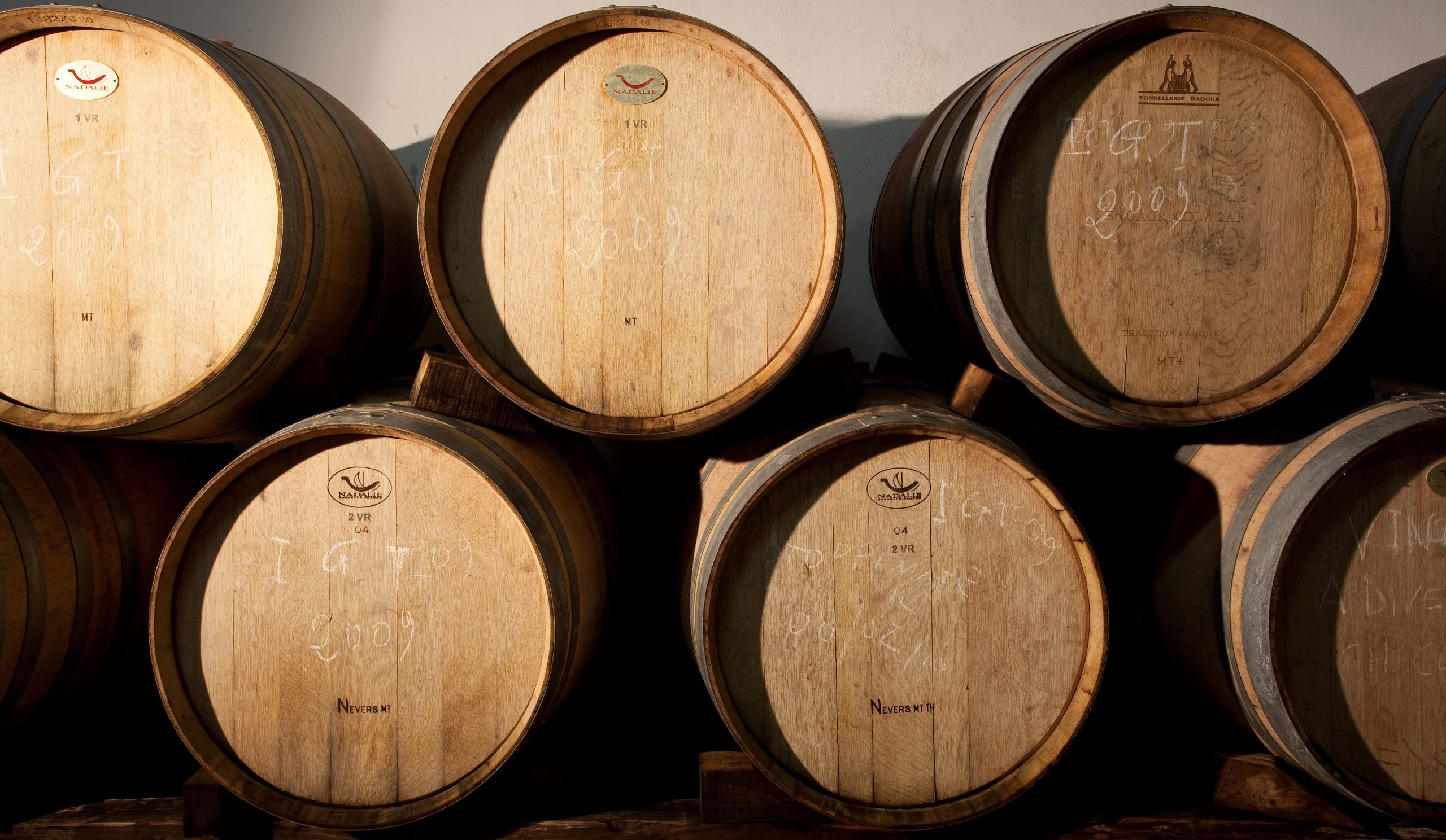
Once the main fermentation stages are complete, the wine may enter a period of maturation and ageing.
This is when the wine continues to evolve.
Depending on the producer’s objectives, maturation may take place in different vessels, including stainless steel tanks, wooden barrels or other suitable containers.
Each option offers different conditions.
Stainless Steel
Stainless steel is widely used in winemaking because it allows controlled storage and limits oxygen exposure when properly managed.
It is often chosen when producers want to preserve freshness and fruit expression.
Wooden Barrels
Wooden barrels can influence a wine through controlled oxygen exposure and, depending on the barrel, the extraction of compounds from the wood.
The effects depend on factors such as barrel size, wood type, age and length of maturation.
Larger Oak Vessels
Larger wooden vessels generally provide a different relationship between wine volume and wood surface area compared with smaller barrels.
They can allow maturation while limiting the intensity of certain wood-derived flavours.
No single ageing vessel is automatically superior.
The most suitable choice depends on the wine and the producer’s intended style.
9. Why Do Some Chianti Classico Wines Age Longer Than Others?
Chianti Classico includes different categories, each with its own production requirements.
These include standard Chianti Classico, Riserva and Gran Selezione.
Chianti Classico
Standard Chianti Classico must comply with the denomination’s production and release requirements.
Depending on the producer, these wines may emphasise freshness, fruit character and approachability.
Chianti Classico Riserva
Chianti Classico Riserva requires at least 24 months of ageing, including a minimum of three months in bottle.
This longer period can contribute to the development of greater complexity and integration.
Chianti Classico Gran Selezione
Gran Selezione follows specific production requirements, including a minimum ageing period of 30 months, with at least three months in bottle.
It also has additional rules concerning grape origin and composition.
These categories provide a useful starting point for understanding the different expressions of Chianti Classico.
However, ageing time alone does not determine quality.
The character of a wine depends on the vineyard, vintage, grape selection, winemaking and maturation decisions.
10. Does Wine Continue to Change After Bottling?
Yes.
Wine can continue to evolve after bottling, although the rate and nature of these changes vary considerably.
Over time, certain wines develop more complex aromas and changes in tannic structure.
Fresh fruit aromas may gradually be joined or replaced by notes associated with bottle development.
These can include dried fruit, leather, tobacco, forest floor or other tertiary characteristics, depending on the wine.
However, not every wine is designed for long-term ageing.
Some wines are intended to be enjoyed relatively young, when their fruit and freshness are particularly expressive.
Others have the structure and balance to develop over several years.
Storage conditions also matter.
Temperature, light exposure and temperature fluctuations can influence how a wine evolves.
11. What Happens in the Vineyard During Winter?
While the wines develop in the cellar, the work in the vineyard continues.
After the leaves have fallen, grapevines enter their winter dormancy.
This is an important stage in the annual growing cycle.
During the colder months, vineyard activities may include pruning, maintenance and planning for the next season.
Winter Pruning
Pruning is one of the most important operations in vineyard management.
It helps determine the structure of the vine and influences the number and position of buds that will develop during the following growing season.
Soil Management
Depending on the vineyard and weather conditions, winter may also involve activities related to soil management.
These can include managing vegetation cover and maintaining vineyard infrastructure.
Preparing for the Next Growing Season
Winter is also a time for observation and planning.
The choices made during this period can influence the development of the vineyard in the months ahead.
For an organic winery, vineyard management must remain consistent with the requirements of organic production.
The agricultural cycle never truly stops.
It simply changes with the seasons.
12. Why Autumn and Winter Are Fascinating Times to Visit a Winery
Many travellers associate wine tourism with spring and summer.
But autumn and winter offer a different opportunity to understand wine production.
After harvest, the focus shifts from grape growing to the transformations taking place inside the winery.
Later, during winter, the wines continue their development while the vineyards enter a period of dormancy.
A guided wine tasting can help visitors understand these stages, even when the specific production activities are not taking place during their visit.
It is also an excellent time to explore Chianti Classico without the same level of summer tourism.
Historic villages, seasonal Tuscan cuisine and peaceful landscapes make the region particularly appealing.
And for travellers looking for an indoor activity on a cold or rainy day, a wine tasting can be an enjoyable option.
Chianti Classico is not just a summer destination. Its wine culture can be discovered throughout the year.
13. Discover Chianti Classico at Fattoria di Montemaggio
Located in Radda in Chianti, Fattoria di Montemaggio is an organic winery surrounded by vineyards, olive groves and woodland.
Parts of the estate reach approximately 600 metres above sea level, and the vineyard environment includes soils characterised by galestro and alberese.
Sangiovese plays a central role in the estate’s wine production.
Through guided wine tasting experiences, visitors can discover Montemaggio’s wines and explore the relationship between terroir, organic viticulture and winemaking.
Understanding the work that takes place after harvest adds another dimension to the tasting experience.
The wine in your glass becomes the result of an entire agricultural and production cycle, rather than simply a finished product.
Fattoria di Montemaggio welcomes visitors throughout the year, including autumn and winter, with experiences available according to reservation and seasonal conditions.
Whether you are planning a November trip, a winter getaway or a visit to Tuscany at another time of year, Montemaggio offers the opportunity to discover Chianti Classico in the heart of its production region.
Explore the available experiences and plan your visit:
Frequently Asked Questions About Winemaking After Harvest
What happens to grapes after harvest?
After harvest, grapes are transported to the winery, where they may be sorted, destemmed and crushed before fermentation begins. The exact process depends on the type of wine being produced.
How does grape juice become wine?
Yeasts convert grape sugars into alcohol and carbon dioxide during alcoholic fermentation.
What is maceration in red winemaking?
Maceration is the period during which grape skins remain in contact with the liquid, allowing the extraction of colour, tannins and other compounds.
What does pumping over mean in winemaking?
Pumping over, or rimontaggio, is a technique in which fermenting liquid is drawn from the lower part of a tank and redistributed over the grape skins.
What is free-run wine?
Free-run wine, known in Italian as vino fiore, is wine that is separated from the grape solids without pressing.
What is the difference between free-run wine and press wine?
Free-run wine is obtained through draining, while press wine is recovered by applying pressure to the remaining grape solids. Their characteristics can differ.
What is malolactic fermentation?
It is a process in which lactic acid bacteria convert malic acid into lactic acid, generally reducing the perception of sharp acidity.
Why is Chianti Classico aged?
Ageing allows the wine to develop and evolve under controlled conditions. The required duration depends on its category and the producer’s choices.
Does every Chianti Classico wine age in oak barrels?
No. Producers can use different maturation vessels and techniques, subject to the applicable production rules.
What happens in vineyards during winter?
Vines enter dormancy, while vineyard work may include pruning, maintenance, soil management and preparation for the following growing season.
Are wineries in Chianti Classico open after harvest?
Some wineries welcome visitors throughout autumn and winter. Opening schedules vary, so advance booking is recommended.
Where can I enjoy a wine tasting in Chianti Classico during winter?
Fattoria di Montemaggio, an organic winery in Radda in Chianti, welcomes visitors throughout the year, with guided tasting experiences subject to availability.
From Vineyard to Bottle: The Work Behind Every Glass of Chianti Classico
The grape harvest is one of the most visible and celebrated moments in the wine calendar.
But it represents only one part of a much longer journey.
After harvest, grapes undergo fermentation, maceration, pressing, maturation and, eventually, bottling.
Throughout these stages, the winemaker makes decisions that influence the character of the finished wine.
At the same time, the vineyard continues its annual cycle, preparing for another growing season.
Understanding these processes helps explain why wine is so closely connected to agriculture, science, tradition and human expertise.
At Fattoria di Montemaggio, visitors can discover this connection through guided tastings in the heart of Chianti Classico.
Because the story of a great wine does not end when the grapes are harvested. That is when a new chapter begins.
Discover Fattoria di Montemaggio and plan your wine tasting experience:
About the Author
Francesco Garuglieri is a Wine Communicator at Fattoria di Montemaggio, an award-winning organic winery in the heart of Chianti Classico, Tuscany.
Specialising in wine communication and hospitality, his work focuses on making wine accessible by connecting terroir, organic viticulture, biodiversity and the experience of visiting Tuscany. His articles explore Chianti Classico, wine tourism and the culture behind authentic Tuscan wine experiences.
Leave a Reply