


Understanding why wine tastes different from one place to another
If you’ve ever tasted two wines made from the same grape variety and wondered why they were so different, the answer often comes down to one word:
Terroir.
It is one of the most important concepts in the world of wine—and also one of the most misunderstood.
Terroir is not a single ingredient.
It is the combination of natural elements that give a wine its unique identity and sense of place.
Understanding terroir means understanding why a bottle of wine could only have been produced in one specific vineyard.
What does terroir actually mean?
The word terroir comes from French, but it is used by wine producers all over the world.
Rather than referring to a single factor, terroir describes the interaction between:
- soil
- climate
- altitude
- sunlight
- rainfall
- slope of the vineyard
- surrounding vegetation
- local biodiversity
Together, these elements influence how grapes grow and, ultimately, how the wine tastes.
Why terroir matters more than the grape variety
Many people choose wines based on the grape.
Sangiovese.
Cabernet Sauvignon.
Merlot.
While grape variety certainly plays an important role, terroir often has an even greater influence on the final result.
A Sangiovese grown in Chianti Classico will taste very different from one grown in another part of Italy—or anywhere else in the world.
The grape remains the same.
The place does not.
Chianti Classico: a perfect example of terroir
Few wine regions demonstrate the importance of terroir as clearly as Chianti Classico.
Here, vineyards are spread across rolling hills, forests and valleys, where changes in altitude, exposure and soil can occur within just a few hundred metres.
These subtle differences create wines with remarkable individuality, even when neighbouring vineyards grow the same grape varieties.
It is one of the reasons why Chianti Classico has fascinated wine lovers for centuries.
The role of biodiversity
Terroir is not only about rocks and climate.
Nature also plays an essential role.
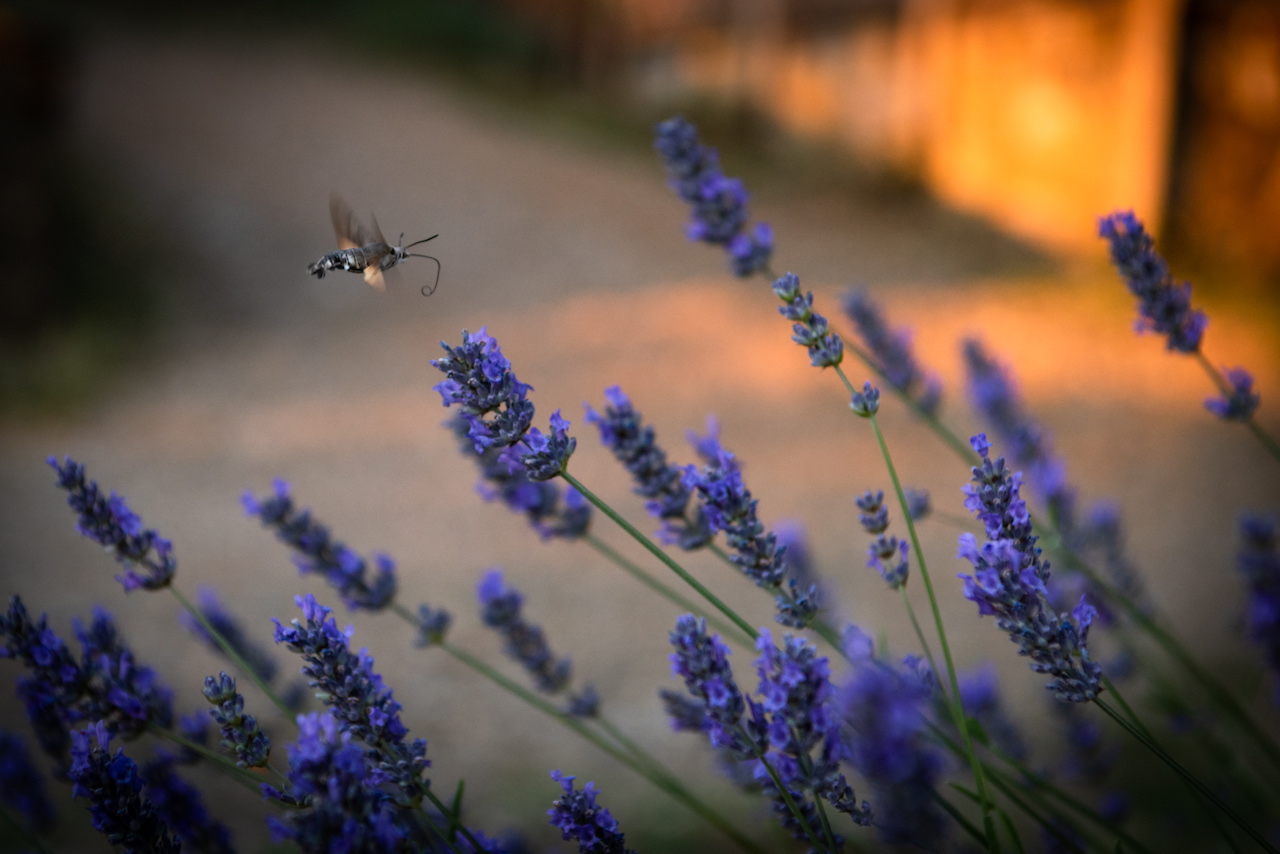
Healthy forests, wildflowers, insects, birds and microorganisms all contribute to a balanced ecosystem that supports the vineyard.
Organic farming encourages this biodiversity, helping vines develop naturally while preserving the environment for future generations.
A living landscape often produces wines with greater vitality and character.
How terroir shapes every glass at Fattoria di Montemaggio
At Fattoria di Montemaggio, terroir can be experienced long before the first sip.
The estate’s organic vineyards lie between 450 and 600 metres above sea level, surrounded by forests in the heart of Chianti Classico.
The combination of altitude, limestone-rich soils, biodiversity and careful organic farming helps create wines known for their elegance, freshness and expressive character.
Every bottle reflects the landscape from which it comes.
The best way to understand terroir
Reading about terroir is helpful.
Experiencing it is unforgettable.
Walking through the vineyards.
Feeling the changing temperatures.
Touching the soil.
Looking across the hills.
Then tasting the wine.
Suddenly, every aroma and every flavour begins to make sense.
The landscape becomes part of the wine itself.
Discover the terroir of Chianti Classico
At Fattoria di Montemaggio, every wine tasting begins with the vineyard.
Because understanding wine starts long before the bottle is opened.
It begins with the land.
👉 You may also like:
https://www.montemaggio.com/why-high-altitude-vineyards-produce-different-wines
👉 Book your experience:
https://www.montemaggio.com/tour-reservation
✍️ ABOUT THE AUTHOR
Francesco Garuglieri is a Wine Communicator at Fattoria di Montemaggio, an award-winning organic winery in the heart of Chianti Classico, Tuscany. His work focuses on helping visitors understand the relationship between terroir, biodiversity, vineyard life and authentic Tuscan hospitality through meaningful wine experiences.
Leave a Reply