

If you are planning a trip to Tuscany, one question will inevitably come up:
Where can you find the best wine tasting in Chianti Classico?
The region is one of the most famous wine destinations in the world.
Yet, not all wine tastings offer the same level of quality, depth, and authenticity.
This guide will help you understand what truly defines a great wine tasting experience — and how to choose the right winery.
What makes a wine tasting “the best”?
The best wine tasting in Chianti Classico is not just about the wine.
It is about the experience as a whole.
A high-quality wine tasting should include:
- a clear explanation of the vineyard and terroir
- a guided tasting of multiple wines
- a connection between land and glass
- time to understand, not just taste
The difference is subtle, but once experienced, it becomes obvious.
Why Chianti Classico is unique
Chianti Classico is not simply a wine label.
It is a specific territory between Florence and Siena, defined by:
- high-altitude vineyards
- limestone-rich soils (galestro, alberese)
- strong day-night temperature variations
- centuries of winemaking tradition
These elements create wines with structure, freshness, and aging potential.
Understanding this context makes wine tasting significantly more meaningful.
What to expect from a wine tasting experience
A structured wine tasting in Chianti Classico usually includes:
- introduction to the estate
- explanation of vineyard practices
- insight into winemaking techniques
- guided tasting of several wines
In many wineries, tastings are designed to help visitors understand progression — from younger wines to more complex expressions.
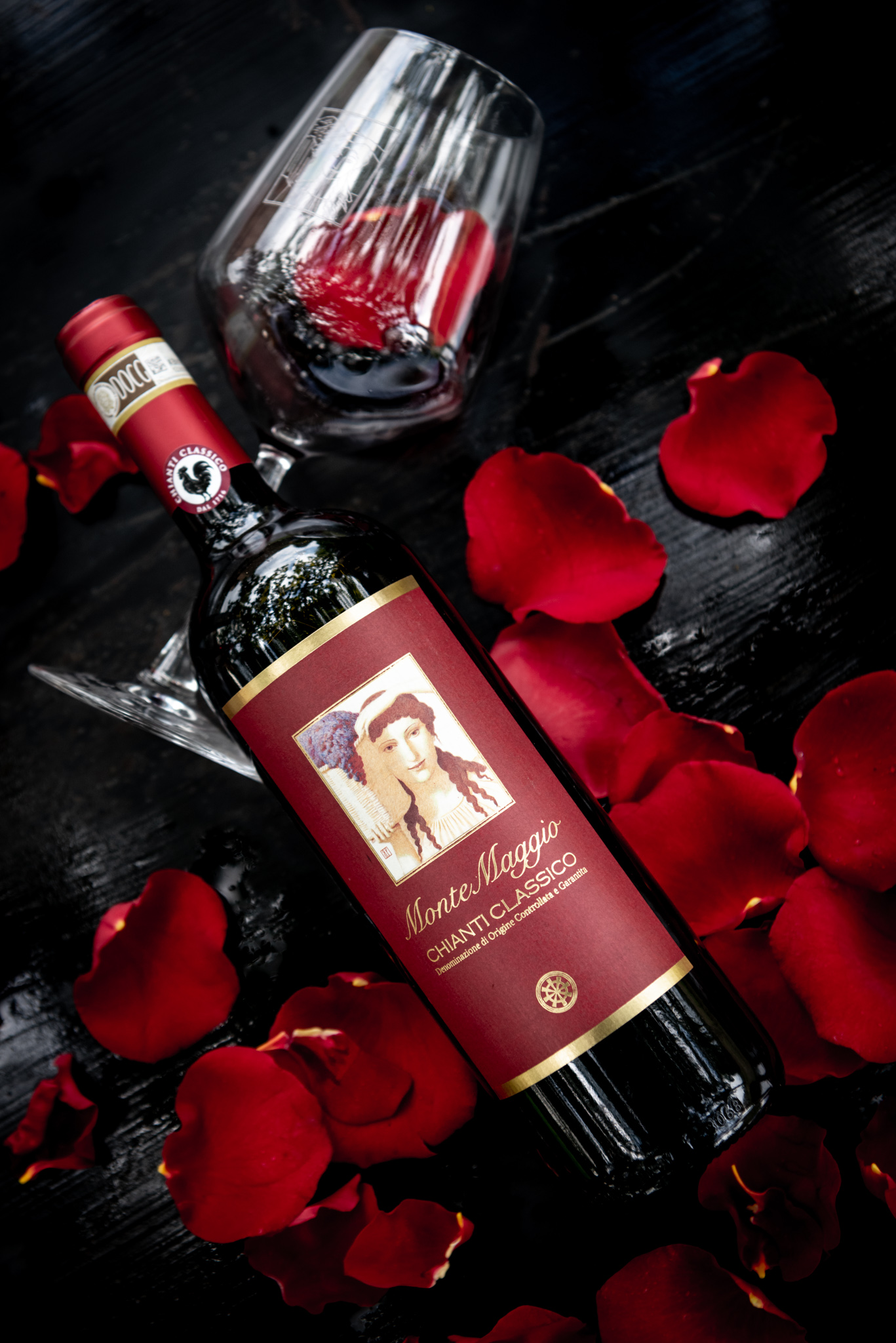
At estates such as Fattoria di Montemaggio, the goal is not just to present wines, but to create a connection between what you see in the vineyard and what you taste in the glass.
Organic wineries: a growing choice
Many of the best wine tastings today take place in organic wineries.
Organic farming focuses on:
- soil health
- biodiversity
- minimal intervention
- long-term sustainability
This approach often results in wines that express their origin more clearly.
👉 You might be interested in:
What makes an organic winery different
https://www.montemaggio.com/news-blog/blog
Small vs large wineries
One of the most important decisions is choosing between a small or large winery.
Small wineries
- more personal experience
- smaller groups
- deeper explanations
Larger wineries
- more structured visits
- higher capacity
- faster pace
For many visitors, smaller wineries provide a more authentic experience.
How to choose the right wine tasting
When selecting a wine tasting in Chianti Classico, consider:
- group size
- location and landscape
- type of wines (organic, traditional, blends)
- duration of the experience
- level of explanation
These factors define the overall quality of the visit.
Best time for wine tasting in Chianti Classico
Each season offers a different experience:
- Spring → fresh, quiet, and green
- Summer → vibrant and scenic
- Harvest → dynamic and immersive
- Autumn → calm and reflective
- Winter → intimate and authentic
👉 You might be interested in:
Best time of year for wine tasting in Chianti Classico
https://www.montemaggio.com/news-blog/blog
Why guided tastings matter
A guided tasting transforms the experience.
Instead of simply drinking wine, you begin to understand:
- how soil affects structure
- how climate shapes vintages
- how winemaking choices influence style
This is what turns a tasting into a learning experience.
Wine tasting is about more than wine
The most memorable wine tastings are not remembered only for the wines.
They are remembered for:
- the landscape
- the people
- the atmosphere
- the sense of place
Wine becomes a way to experience Tuscany itself.
FAQ — Wine tasting in Chianti Classico
How long does a wine tasting last?
Usually between 1.5 and 2 hours.
Do I need to book in advance?
Yes, especially in high season.
How many wines are typically included?
Between 3 and 7 wines, depending on the experience.
Is wine tasting suitable for beginners?
Absolutely. Most tastings are designed to be accessible.
Final thought
The best wine tasting in Chianti Classico is not defined by prestige.
It is defined by clarity, authenticity, and connection.
When you understand the link between vineyard, wine, and territory, the experience becomes something more
About the Author
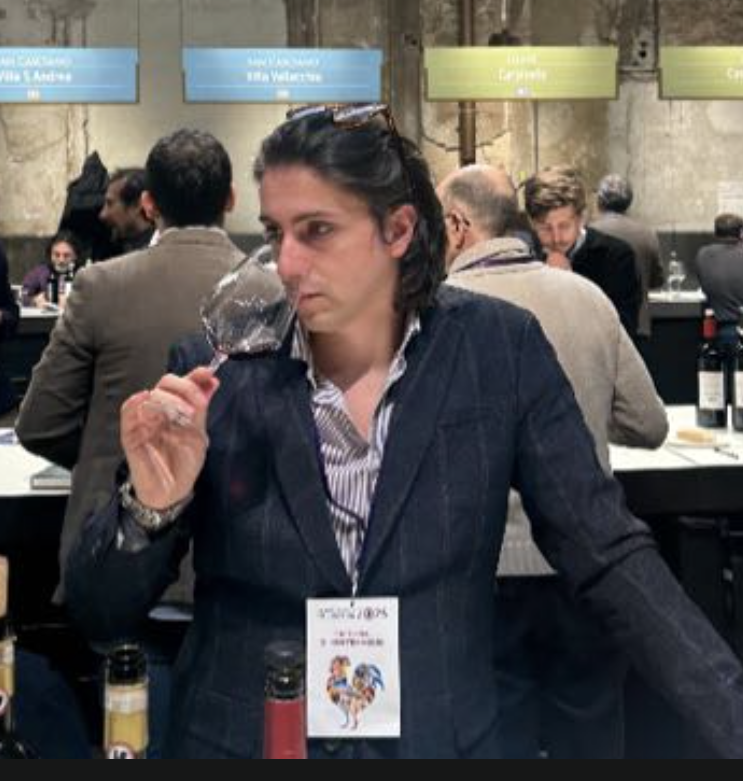
Francesco Garuglieri is a Wine Communicator. He is part of the team at Fattoria di Montemaggio, an organic winery in the heart of Chianti Classico.
His work focuses on wine tasting experiences, vineyard understanding, and communicating the relationship between terroir and wine.
He offers a practical and authentic perspective on Tuscan winemaking.
Leave a Reply