


Understanding one of Italy’s most misunderstood wines
If you’ve ever planned a wine trip to Tuscany, you’ve probably asked yourself a very common question:
What is the difference between Chianti and Chianti Classico?
Despite their similar names, they are not the same wine.
In fact, they come from different production areas, follow different regulations, and often offer very different tasting experiences.
Understanding this distinction is the first step to understanding Tuscany itself.
Chianti Classico came first
One of the biggest misconceptions is that Chianti Classico is a premium version of Chianti.
It isn’t.
Historically, Chianti Classico is the original production area.
As early as 1716, Grand Duke Cosimo III de’ Medici officially identified the territory where the finest Chianti wines were produced, making it one of the world’s oldest protected wine regions.
Today’s Chianti Classico still comes exclusively from this historic area between Florence and Siena.
Two different production areas
The difference begins with geography.
Chianti Classico is produced only within the historic territory located between Florence and Siena.
Chianti DOCG, on the other hand, covers a much larger area that extends well beyond the original production zone.
This means the landscape, climate and soils can be significantly different.
And wine always reflects its environment.
The Black Rooster matters
One of the easiest ways to recognise a true Chianti Classico is the famous Black Rooster (Gallo Nero) displayed on the bottle.
This symbol guarantees that the wine was produced inside the historic Chianti Classico denomination and follows strict production rules.
For many wine lovers, it has become a symbol of authenticity.
Different terroir, different wines
Although Sangiovese is the dominant grape in both wines, the character of the wines can vary considerably.
Chianti Classico is often recognised for:
- brighter acidity
- elegant structure
- floral aromas
- remarkable ageing potential
- strong expression of terroir
Rather than aiming for power, many producers focus on balance, freshness and precision.
Why altitude plays such an important role
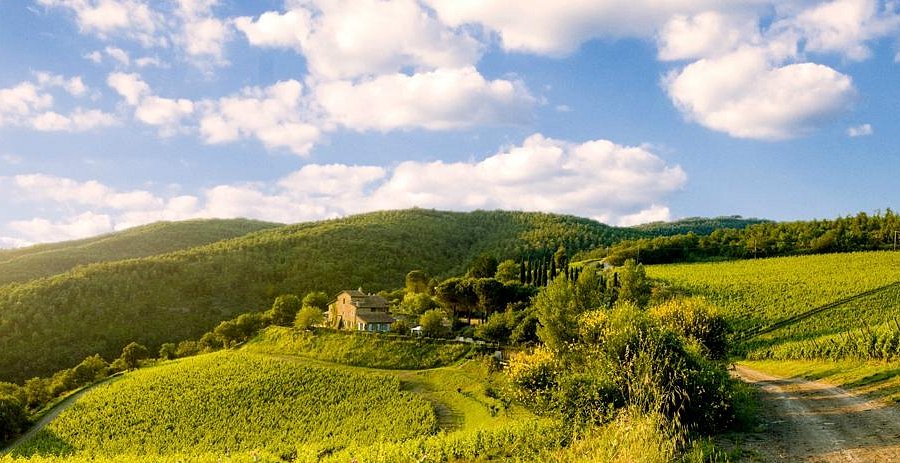
Many of the finest Chianti Classico vineyards are planted at higher elevations.
Cooler temperatures slow ripening, helping grapes preserve freshness and aromatic complexity.
At wineries like Fattoria di Montemaggio, vineyards between 450 and 600 metres above sea level contribute to wines that combine elegance, freshness and structure.
Understanding Chianti Classico through a wine tasting
Reading about Chianti Classico is useful.
Walking through the vineyards is different.
A guided wine tasting allows visitors to understand how:
- altitude
- soil
- biodiversity
- organic farming
- climate
all influence the wines in the glass.
The landscape suddenly becomes part of every sip.
Discover Chianti Classico at Fattoria di Montemaggio
Located in the heart of the historic Chianti Classico region, Fattoria di Montemaggio offers visitors the opportunity to experience this unique territory through organic viticulture, guided tastings and authentic Tuscan hospitality.
Wine becomes much easier to understand when you experience the place where it is born.
👉 You may also like:
https://www.montemaggio.com/wine-tasting-chianti-classico
👉 Book your experience:
https://www.montemaggio.com/tour-reservation
 ✍️ ABOUT THE AUTHOR
 ✍️ ABOUT THE AUTHOR
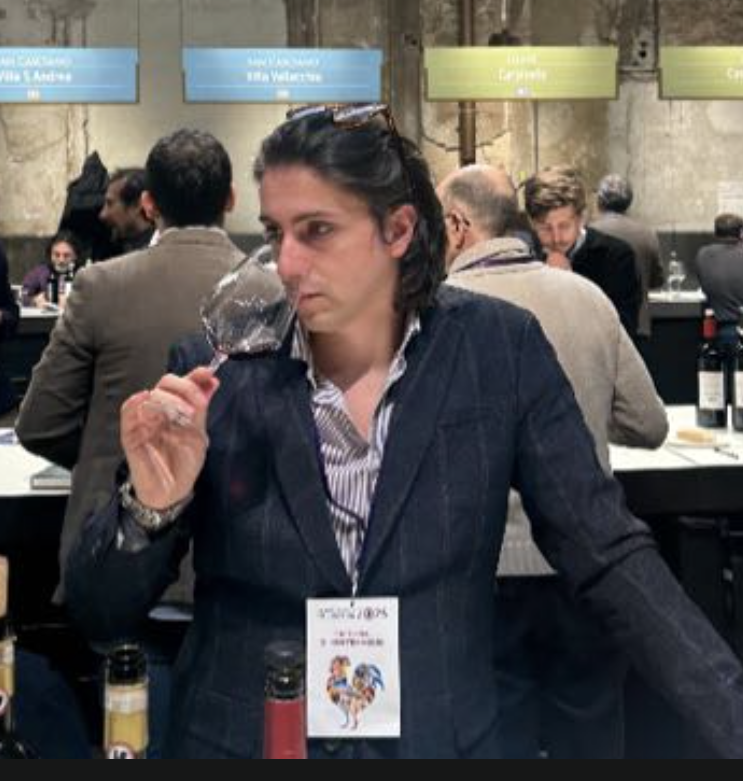
Francesco Garuglieri is a Wine Communicator at Fattoria di Montemaggio, an award-winning organic winery in the heart of Chianti Classico, Tuscany. His work focuses on helping visitors understand wine by connecting terroir, biodiversity, vineyard life and authentic Tuscan hospitality.
Leave a Reply