


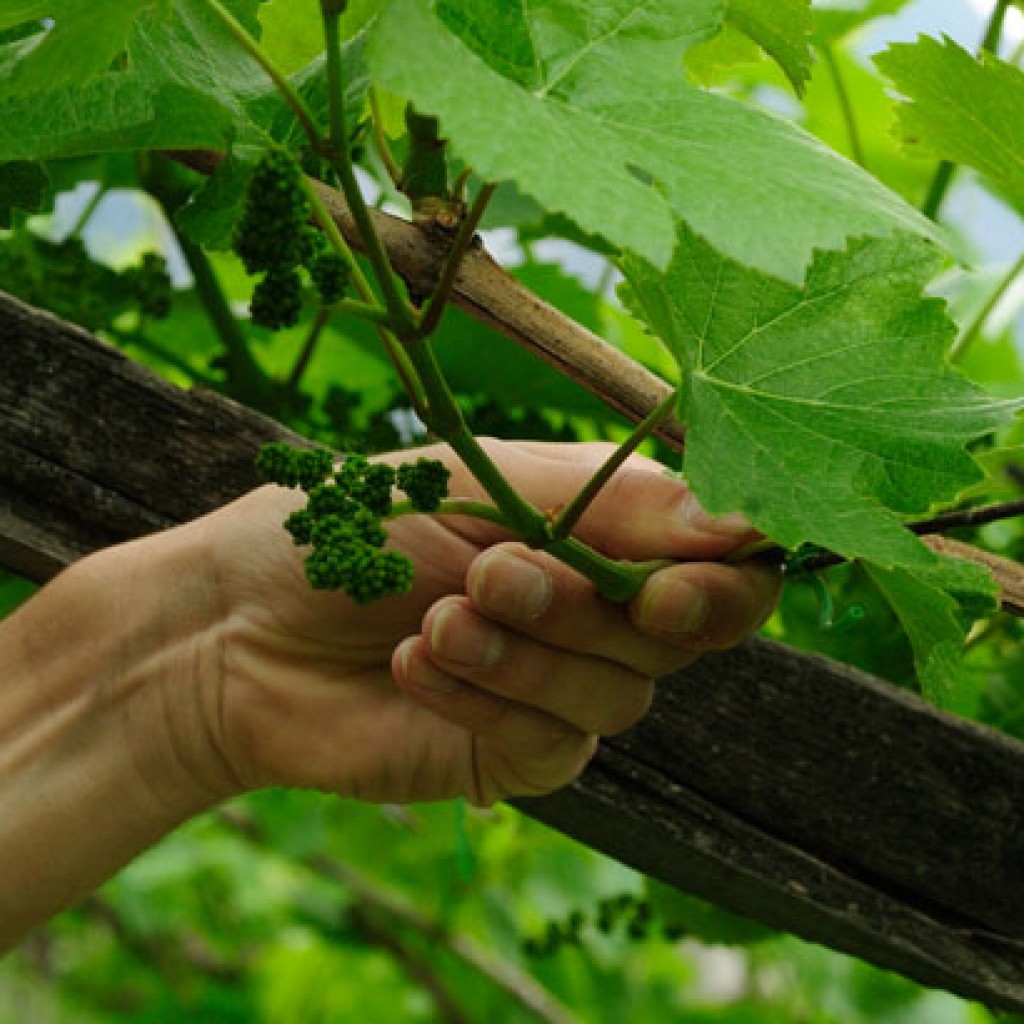
There is a moment that most visitors never see.
Before the glasses are placed on the table.
Before the first bottle is opened.
Before anyone asks about aromas, tannins, or vintages.
It happens in the vineyard.
Early in the morning, when the light is still soft and the air carries the quiet rhythm of the countryside. This is when the work that will eventually become a wine tasting truly begins.
Because wine tasting does not start when the cork is pulled.
It starts much earlier.
The vineyard sets the tone
Every wine tasting in Chianti Classico is, in a way, a continuation of what happened months before in the vineyard.
The soil has already influenced the structure of the wine.
The weather has shaped the ripening of the grapes.
The decisions made during the growing season have determined balance and character.
When visitors arrive for a tasting, they often focus on what is in the glass.
But the real story begins outside, among the rows of vines.
The landscape of Chianti Classico
Chianti Classico is not just a famous wine name.
It is a landscape defined by:
-
rolling hills
-
forests surrounding the vineyards
-
limestone-rich soils
-
dramatic day-night temperature shifts
These elements shape the wines long before they reach the cellar.
Standing in the vineyard makes this connection easier to understand.
You can see the slopes, feel the wind, notice how the sun moves across the hills.
Wine begins here.
From vineyard to glass
Later in the day, when guests arrive for a wine tasting, the vineyard story continues in a different form.
The conversation shifts toward:
-
grape varieties
-
fermentation
-
aging
-
tasting impressions
But behind every explanation there is always the same starting point: the land.
At wineries like Fattoria di Montemaggio, the goal of a wine tasting is not simply to present wines, but to help visitors connect what they see in the vineyard with what they taste in the glass.
When that connection becomes clear, the experience changes.
Why context matters
A wine tasting without context can feel pleasant but superficial.
You may remember that the wine was good.
You may remember the view.
But when you understand how the vineyard, the soil, and the climate shaped the wine, the experience becomes more meaningful.
The tasting becomes part of the place.
And that is often what people remember long after they leave Chianti Classico.
The quiet moment before the first glass
So the next time you sit down for a wine tasting, remember that moment before everything begins.
The quiet vineyard.
The early morning light.
The slow rhythm of agricultural work.
Wine tasting is only the visible part of a much longer story.
And that story starts long before the first sip.
Leave a Reply